
Having spent decades exploring the culinary landscapes of North America—from the vibrant, sun-drenched beaches of the West Coast to the breezy, culturally diverse shores of the East Coast—I have learned that the perfect beach day always demands an equally perfect culinary conclusion. Whether you are strolling along a boardwalk or diving into the ocean waves, that post-beach craving for something refreshing is a universal feeling. When you find yourself walking along the beautiful white sands of Haeundae Beach in Busan, the ultimate way to cool down and replenish your energy is by indulging in a local culinary masterpiece: Haeundae Gaya Milmyeon.
Milmyeon, a cold noodle dish unique to Busan, offers a magnificent balance of chilling temperatures, savory depths, and a gentle chewiness that instantly revitalizes the soul. Unlike any other cold noodle dish you might find across the globe, this local specialty captures the essence of the city’s vibrant food culture. Let me guide you through the ultimate post-beach dining experience that will leave you craving more.
History & Story
To truly appreciate a bowl of milmyeon, one must understand the deep roots it has in Busan’s history. Born out of necessity and adapted with local ingredients, milmyeon has grown into the ultimate soul food for the residents of Busan. Haeundae Gaya Milmyeon stands proudly as one of the original and most respected establishments in the city, frequently recognized as one of the top three milmyeon destinations.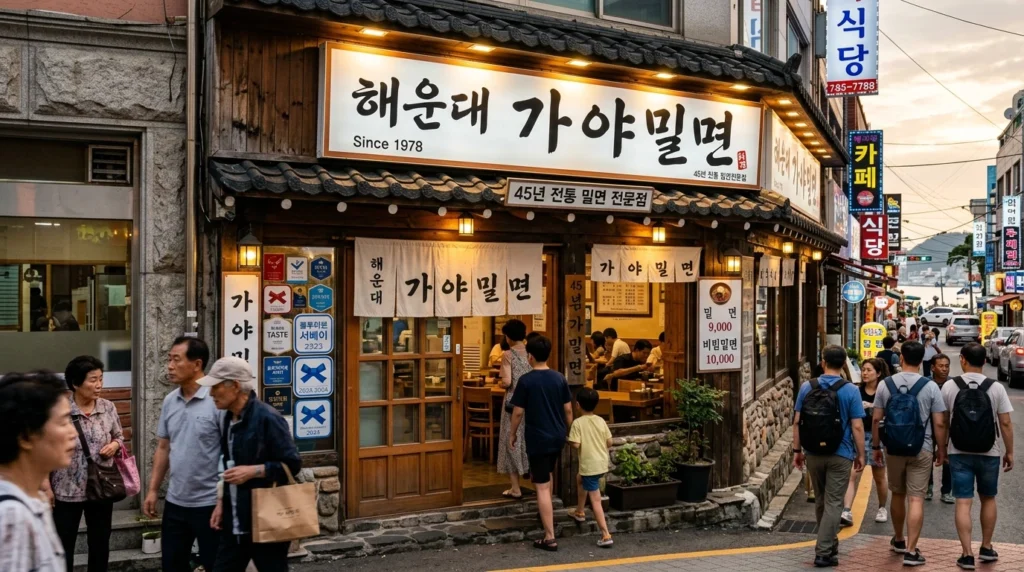
The dedication to preserving this culinary heritage is evident in their painstaking preparation methods. The soul of their dish lies in the legendary broth. It is not something whipped up in a few hours; it is a masterpiece of patience. The chefs use a meticulous selection of ingredients, including beef brisket, beef shank, native chicken feet, whole ginger, whole onions, and whole garlic. These ingredients are boiled continuously for 72 hours to extract every ounce of flavor. But the magic does not stop there. This rich extract is then aged for over a year to develop a profound, medicinal-like depth that acts as a restorative tonic for the body. This commitment to time-honored traditions is what sets Haeundae Gaya Milmyeon apart from the rest.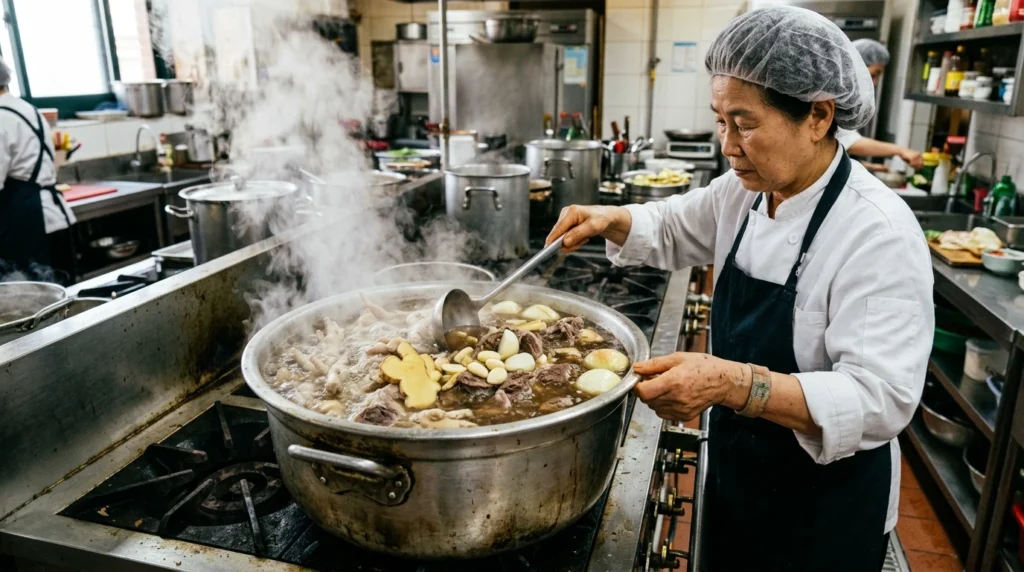
Flavor Style
When it comes to flavor, Haeundae Gaya Milmyeon offers an experience that is both globally appealing and uniquely local. Having tasted countless variations of noodles around the world—from hearty Italian pastas to delicate Asian vermicelli—I find the texture of milmyeon to be an absolute revelation. The wheat-based noodles are firmer than regular thin noodles but less coarse than buckwheat, creating a bouncy, tender bite that is incredibly addictive.
The flavor profiles are carefully crafted using 100% domestic Korean ingredients. The Water Milmyeon (Mul-milmyeon) features a broth with subtle, earthy herbal notes, served with floating ice crystals that instantly banish the summer heat. For those who prefer a vibrant kick without the overwhelming burn, the Spicy Cold Noodles (Bibim-milmyeon) is a masterpiece. The sauce is naturally sweetened using 100% domestic pears rather than artificial sugars, resulting in a gentle, pleasant sweetness that appeals to palates from all over the world.
A crucial part of the flavor experience is the complimentary hot broth (On-yuksu) available near the entrance. Boiled for over 12 hours using premium beef brisket, this rich, savory soup warms the stomach and prepares your palate for the icy noodles, much like a comforting bowl of deep beef soup.
Customer Reviews & Essential Waiting Tips
Haeundae Gaya Milmyeon is not just a local secret; it is a celebrated culinary landmark. Its excellence is consistently validated by its continuous inclusion in the prestigious Blue Ribbon Survey. The restaurant is constantly buzzing with a diverse crowd—from neighborhood locals and international travelers to famous celebrities seeking an authentic taste of Busan.
Because of its massive popularity, especially during the warm summer months and peak lunch hours, waiting in line is almost a rite of passage. However, drawing from my experiences navigating busy eateries worldwide, there is a simple trick to bypass the long queues: utilize the “Tabling” app for remote queueing before you even leave the beach.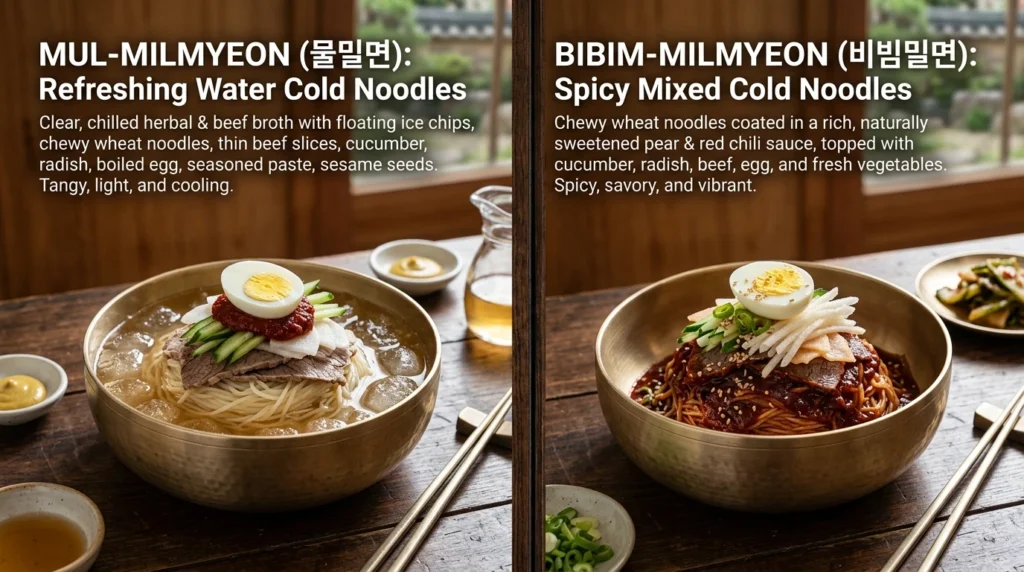
If you are driving, the restaurant offers a dedicated parking lot. Since it fills up quickly, it is highly useful to know that street parking along the main road is permitted during the lunch rush (11:30 to 14:00) without the risk of tickets. Once inside, the dining experience is seamlessly modern. Each table is equipped with a tablet for easy ordering and prepayment. This system allows for precise customization—whether you want to remove cucumbers or adjust the spice level—ensuring your bowl is tailored perfectly to your taste.
The Signature Highlight
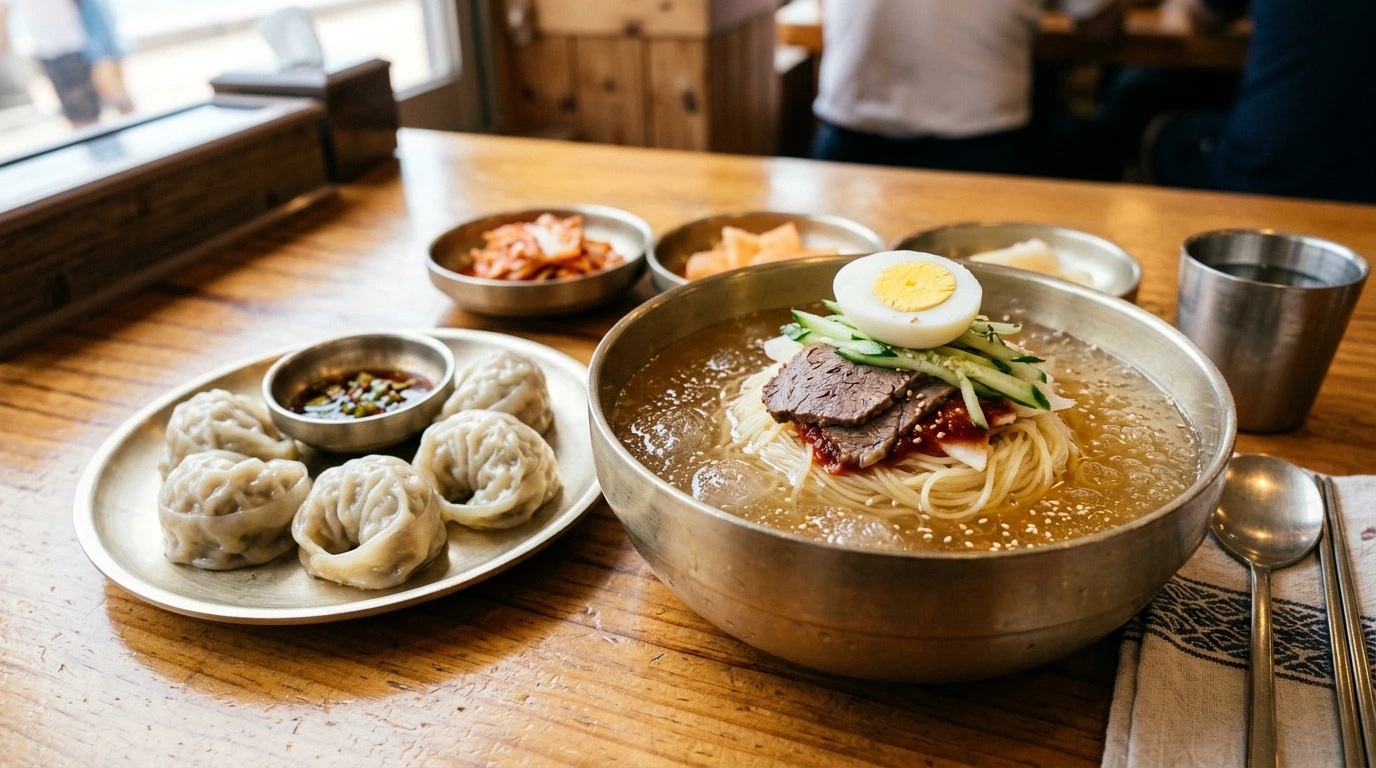
The absolute pinnacle of the Haeundae Gaya Milmyeon experience is the glorious combination of their signature Water Milmyeon and their delicate steamed dumplings (Mandu).
The Water Milmyeon, priced reasonably for the immense quality it delivers, arrives as a visually stunning bowl. The icy, 72-hour boiled and one-year-aged broth glistens under the dining room lights. It is topped elegantly with tender slices of beef brisket, a perfectly boiled egg, and crisp cucumbers, creating a symphony of textures and temperatures.
To elevate this dish, you must order a side of their dumplings. Crafted in a galbi (marinated rib) style, these dumplings feature an incredibly thin, translucent skin that wraps tightly around a juicy, flavorful meat filling. The chewy, bouncy texture of the dumpling skin paired with the icy, refreshing slurp of the milmyeon creates a contrast so delightful that it firmly cements Haeundae Gaya Milmyeon as a world-class dining destination.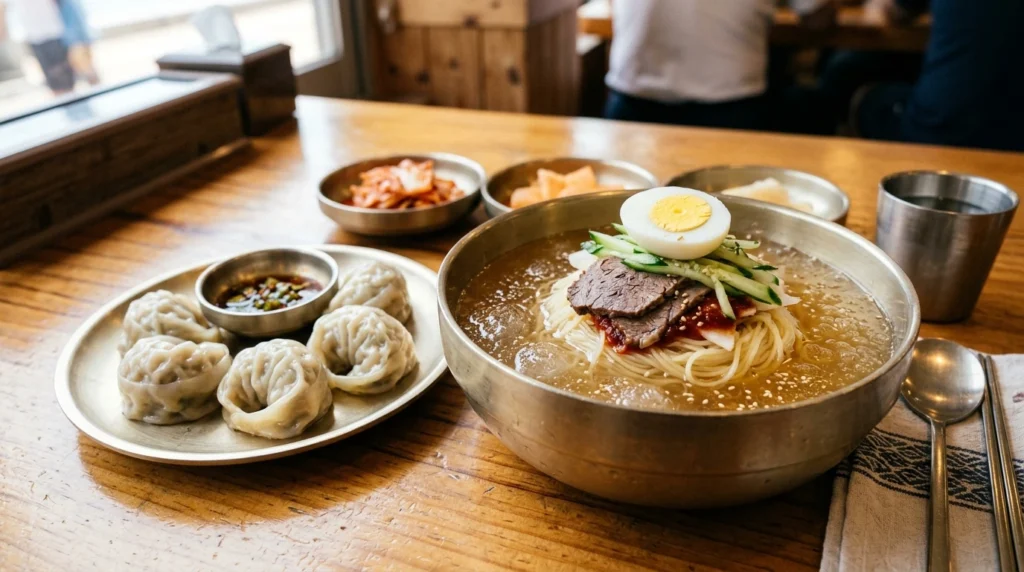
💡 Finished your refreshing cold noodles? Now it’s time to warm your soul with Busan’s other legendary comfort food!
FAQ
Q: What is the exact location of Haeundae Gaya Milmyeon?
A: The restaurant is located at 27 Jwadongsunhwan-ro, Haeundae-gu, Busan.
Q: What are the operating hours?
A: They are open daily from 09:00 (or 10:00) to 20:40. They are closed on the day of major traditional holidays and the day before.
Q: Do I need to make a reservation?
A: Traditional reservations are not typically taken, but you can use the “Tabling” app for remote queueing to save time during peak hours.
Q: What is the best dish to order if I cannot handle spicy food?
A: The Water Milmyeon (Mul-milmyeon) is perfectly refreshing and mild. Alternatively, the Bibim-milmyeon uses pureed Korean pears for a natural, non-aggressive sweetness rather than intense heat.
Q: Are there any side dishes you recommend?
A: The steamed dumplings (Mandu) are an absolute must. They have a very thin, chewy skin and a delicious galbi-style meat filling that pairs perfectly with the noodles.
Q: Is there parking available at the restaurant?
A: Yes, there is a dedicated parking lot. If it is full, street parking on the main road is allowed during the lunch hours of 11:30 to 14:00.
Q: How is the famous broth made?
A: The broth is boiled for 72 hours using beef brisket, shank, chicken feet, and aromatic vegetables, then aged for over a year to deepen its flavor.
Q: Can I customize my order, like removing cucumbers?
A: Absolutely. The tablet ordering system at each table allows you to easily customize your meal, including removing cucumbers or adjusting the sauce.
Q: How do I pay for my meal?
A: You order and pay upfront using the convenient tablet system located right at your table.
Q: What is the hot broth (On-yuksu) and is it free?
A: On-yuksu is a rich, warm beef broth made from boiling beef brisket for over 12 hours. It is available self-serve near the entrance and is complimentary.
Q: Is this place friendly for international tourists?
A: Yes, the tablet system makes ordering very easy, and the flavors are highly praised by visitors from all over the world.
Q: Why is the texture of the noodles different from other cold noodles?
A: Milmyeon is made from wheat flour rather than buckwheat or starch, giving it a unique texture that is firmer than regular pasta but softer and less chewy than traditional Korean cold noodles (Naengmyeon).
🎁 The Ultimate Guide to Experiencing Busan Like a Local
Don’t miss out on the authentic flavors and hidden local stories of Busan during your BTS concert trip!
💜 Essential Guide for BTS Concert Attendees