
Busan is a city that dances to its own rhythm. Often referred to as the “Summer Capital of South Korea,” it offers a breathtaking juxtaposition of jagged mountains, glistening skyscrapers, and a coastline that rivals the most famous Mediterranean retreats. For those arriving for the first time, the sheer energy of the city can be exhilarating. It is a place where the air smells of salt and charcoal-grilled seafood, where the dialect is as rhythmic as the waves hitting the Gwangalli shore, and where tradition isn’t just found in museums, but in the bustling alleys of its century-old markets. This three-day itinerary is meticulously crafted to ensure you experience the quintessential soul of Busan, moving from the glamorous heights of Haeundae to the nostalgic, rainbow-colored hills of Gamcheon.
Day 1: Coastal Glamour and the Magic of the Blue Line
Your journey begins at Busan Station, the gateway where the high-speed rail meets the sea. There is an immediate sense of arrival here—the wind feels different, heavier with humidity but refreshing in its promise of the ocean. Before diving into the coastal views, your first mission is a culinary one. Directly across from the station lies a local institution that has achieved a cult-like status: Lee Jae-mo Pizza. While pizza might seem like an unconventional start for a Korean getaway, this isn’t just any pizza. Utilizing premium Imshil cheese—a domestic specialty known for its incredible elasticity and rich, milky flavor—it has become a symbol of Busan’s modern food scene. The wait can be long, so utilizing local queuing apps is a pro tip, but the first bite of that cheese crust makes every minute of the wait worthwhile.
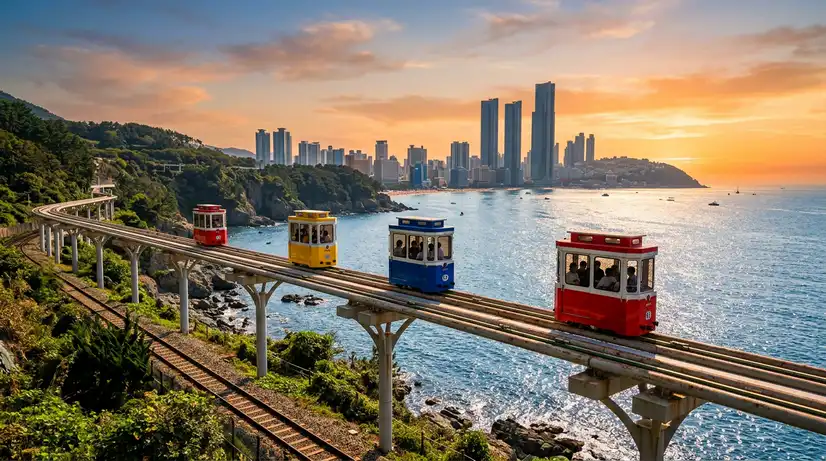
After a satisfying lunch, head east toward Haeundae. This area is the crown jewel of Busan’s tourism, but we’re starting with a perspective that many miss. The Haeundae Blueline Park has transformed an old coastal railway line into a stunning park. The “Sky Capsule”—small, vibrantly colored private pods—crawls slowly along an elevated track from Mipo to Cheongsapo. Inside, you are suspended between the sky and the sea. The pace is slow, intentional, and incredibly romantic. As you glide along the cliffside, the vastness of the East Sea opens up before you. If you can, time your ride for the late afternoon. The way the sun begins to dip, casting a liquid gold shimmer over the water, is a sight that defines “vacation mode.”
As evening falls, the energy shifts to the Haeundae Traditional Market. This isn’t just a place to shop; it’s a sensory feast. The narrow alleyway is lined with stalls selling everything from live seafood in overflowing tanks to mountains of “Ssiat Hotteok” (sweet pancakes filled with seeds and nuts). Make sure to stop by the famous Tteokbokki stalls—the sauce here is thicker, redder, and carries a deep, smoky sweetness that is unique to the region. End your night with a stroll along Haeundae Beach. The contrast between the dark, rhythmic ocean and the neon-lit forest of skyscrapers like the LCT tower creates an atmosphere that is both futuristic and timeless.
Day 2: Cultural Colors and the Diamond Bridge Glow
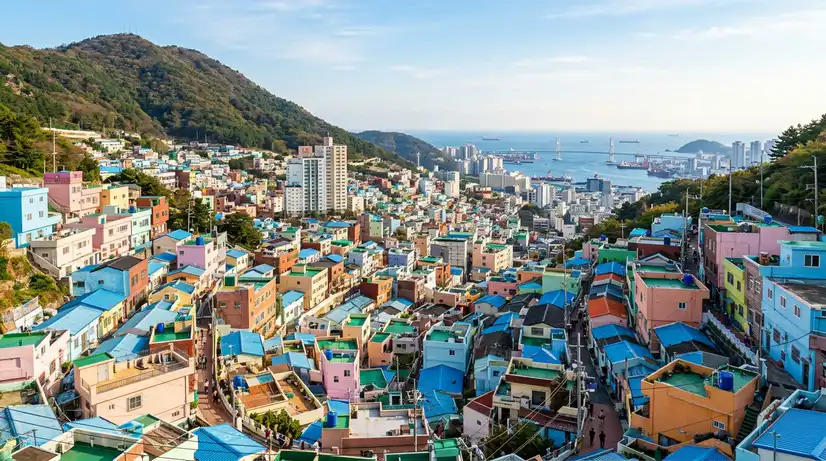
Day two is about diving into the history and the “vibe” that makes Busan so distinct from Seoul. Start your morning early at the Gamcheon Culture Village. Often called the “Machu Picchu of Busan,” this hillside community was formed by refugees during the Korean War. Today, it is a living art gallery. The rows of pastel-colored houses stacked like Legos up the steep mountain slopes are breathtaking. Because it is a residential area, the morning air is quiet, save for the occasional resident tending to their rooftop garden. Walking through the labyrinthine alleys, you’ll find murals, hidden art installations, and the iconic statue of the Little Prince looking out over the harbor. It’s a place that demands you slow down and appreciate the resilience and creativity of the local spirit.
From the heights of Gamcheon, descend into the heart of the old city: Nampo-dong. This area is home to the Gukje Market and Bupyeong Kkangtong Market. These markets are the lungs of Busan’s trade history. You can find everything from vintage clothing to imported goods. Food-wise, this is where you try “Lee-gane Tteokbokki,” famous for using radish water to create a uniquely savory sauce. The sheer scale of the markets can be overwhelming, but getting lost is half the fun. The nearby BIFF Square (Busan International Film Festival) adds a touch of cinematic history, with handprints of famous directors and actors embedded in the ground.
As the sun begins to mellow, make your way to Gwangalli. While Haeundae is about glamour, Gwangalli is about the “cool.” The beach here offers the best view of the Gwangan Bridge (Diamond Bridge). Before the sun sets, explore the “Millak-dong” area or the various boutique prop shops tucked away in the backstreets. These tiny stores, filled with curated stationery and quirky local crafts, are perfect for finding a souvenir that actually has a story.
The highlight of the night—and perhaps the entire trip—happens on the sands of Gwangalli. If you are lucky enough to be here on a Saturday, the M Drone Light Show is non-negotiable. Hundreds of drones take to the sky, creating intricate, glowing stories against the backdrop of the illuminated bridge. Even on non-show nights, the bridge itself is a masterpiece of light engineering. Grab a cold craft beer from a local brewery or a platter of fresh sashimi from the Millak Raw Fish Center, sit on the seawall, and soak in the view. This is the moment you’ll realize why people fall in love with this city.
Day 3: Wellness, Water, and the Hipster Heart
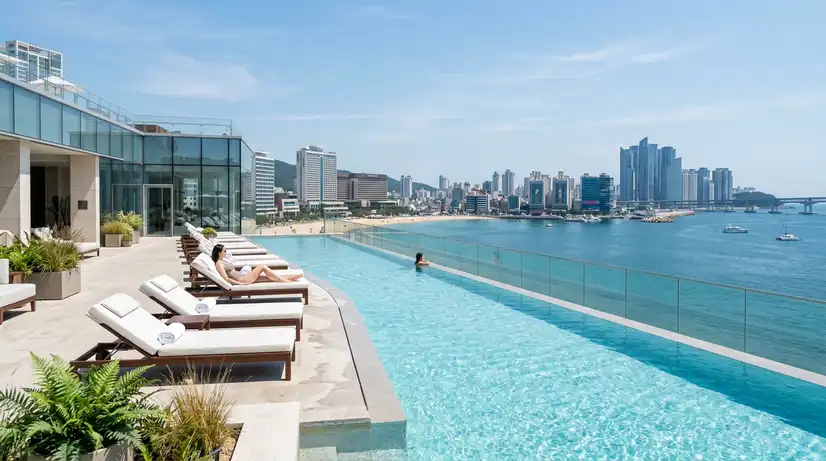
On your final day, it’s time to slow the tempo and indulge in some much-needed rejuvenation. Busan’s newest landmark of luxury is Club D Oasis, located within the LCT complex. This isn’t your average water park; it’s a high-end wellness destination. Imagine floating in an infinity pool that seems to merge directly into the horizon of the sea, hundreds of feet above the ground. The “Jjimjilbang” (Korean sauna) section here is equally impressive, offering themed rooms that utilize traditional materials to detoxify the body. After two days of heavy walking, spending a morning here is the ultimate reward for your feet and your soul.
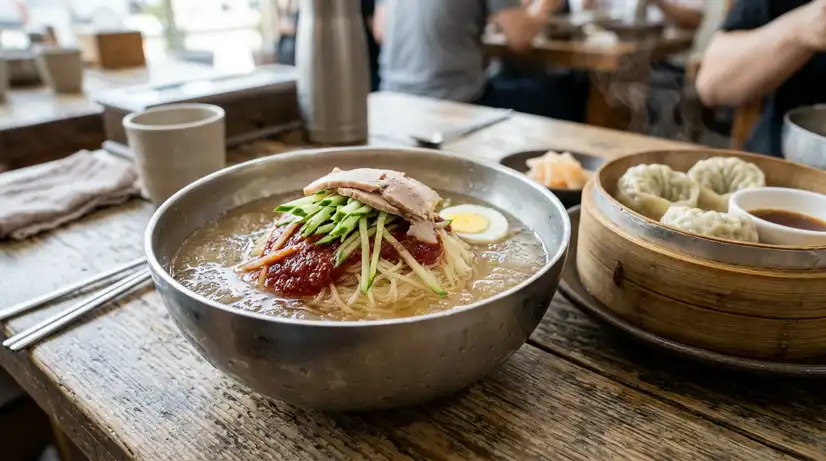
For lunch, you must try the dish that defines Busan summer: Milmyeon. Born out of necessity during the war when wheat flour was more accessible than buckwheat, these flour noodles served in a tureen of icy, tangy, and slightly spicy broth are a revelation. Unlike its cousin Naengmyeon, Milmyeon has a chewiness that is satisfying without being tough. It’s the culinary equivalent of a cold shower on a humid day. If you prefer something heartier, “Dwaeji Gukbap” (pork soup) is the city’s soul food, featuring a rich, milky broth that tastes like a warm hug.
Before heading back to the station, make a stop at the Jeonpo Cafe Street. Once a gritty district of tool and dye shops, it has been revitalized into one of the trendiest neighborhoods in the country. The industrial bones of the buildings now house minimalist coffee roasteries, artisanal bakeries, and “fusion” eateries. It’s the perfect place to grab a high-quality pour-over coffee and reflect on your journey. The “Jeon-ridan-gil” vibe is youthful, creative, and effortlessly hip.
Finally, return to Busan Station. Before boarding your train, don’t forget to stop at Samjin Eomuk. This isn’t just “fish cake”; it’s an art form. From cheese-filled croquettes to shrimp-topped rolls, these make for the perfect snack for the ride home or a gift for those who weren’t lucky enough to join you. As the train pulls away and the sea fades from view, you’ll likely already be planning your next visit. Busan has that effect on people—it’s a city that stays with you.
FAQ
Q: What is the best way to get around Busan?
A: While Busan has an extensive subway system, the geography can make certain trips long. For the coastal areas, the subway is great. However, for moving between Haeundae and Gwangalli, consider the coastal buses or even taxis if you are in a group, as the traffic is generally manageable outside of peak commuting hours.
Q: Do I need to book the Sky Capsule in advance?
A: Yes, absolutely. The Sky Capsule at Blueline Park is incredibly popular and often sells out days or even weeks in advance, especially for weekend slots and sunset times. Online booking is highly recommended to avoid disappointment.
Q: Is Busan safe for solo travelers?
A: Busan is exceptionally safe, even at night. The major tourist areas like Haeundae and Gwangalli are well-lit and active until late. Standard travel precautions apply, but solo travelers generally find the city very welcoming.
Q: What should I wear for a summer trip to Busan?
A: Summer in Busan is humid and hot. Light, breathable fabrics like linen or moisture-wicking materials are best. Also, bring a light cardigan or hoodie, as the air conditioning in malls, cafes, and subways can be quite chilly. Comfortable walking shoes are a must for places like Gamcheon.
Q: Can I swim at all the beaches?
A: Yes, Haeundae and Gwangalli are the most popular for swimming. They have designated swimming zones and lifeguards during the official summer opening season. Note that Korean beach culture often involves wearing rash guards rather than just bikinis or trunks.
Q: Is the Gwangalli Drone Show free?
A: Yes, the M Drone Light Show is a free public event held at Gwangalli Beach. It usually takes place on Saturday nights, but it’s always good to check the official Busan tourism website for potential cancellations due to weather.
Q: Where can I find the best pork soup (Dwaeji Gukbap)?
A: There are “Gukbap alleys” in Seomyeon and near Busan Station. However, many locals swear by the shops in the Suyeong or Haeundae areas. Look for places with a steady stream of local residents rather than just tourists.
Q: Is English widely spoken in Busan?
A: In major tourist hubs, hotels, and trendy cafes, you will find basic English proficiency. However, in traditional markets, it might be more limited. Using translation apps and having your destination written in Korean can be very helpful.
Q: How much should I budget for a 3-day trip?
A: Excluding accommodation and long-distance transport (like the KTX), a budget of $50-$100 USD per day can cover excellent meals, local transport, and entrance fees. You can certainly spend more if you indulge in luxury spas and high-end seafood.
Q: What is the best souvenir to buy in Busan?
A: Samjin Eomuk (fish cakes) is the classic choice, and they offer vacuum-sealed packs for travel. “Busan Bada Sand” (sea-themed butter cookies) has also become a very popular and trendy gift recently.