
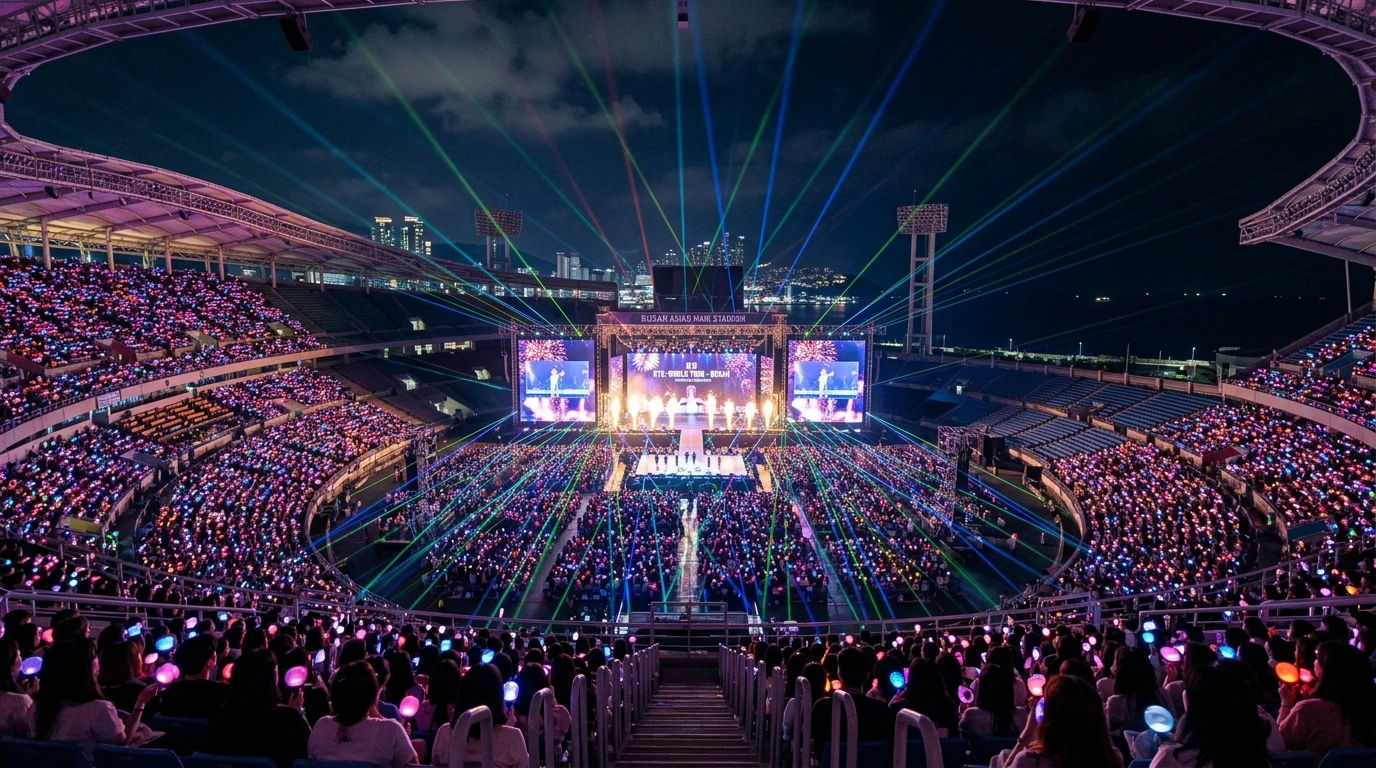
Welcome to Busan’s Premier Event Venue
Attending a massive stadium event in a foreign country can be both exhilarating and slightly overwhelming. Having navigated countless large-scale arenas across North America and Asia, I can confidently say that preparation is the key to an unforgettable experience. The Busan Asiad Main Stadium, officially located at 344 World Cup-daero in Yeonje-gu, is an architectural marvel that stands out in South Korea’s vibrant coastal city. Designed with a stunning semi-open dome structure, this multi-purpose stadium is a hub for epic concerts, cultural festivals, and major sporting events.
The stadium boasts an impressive capacity, featuring over 53,000 fixed seats. When an event utilizes the ground level for additional field seating, the venue can accommodate up to 80,000 enthusiastic fans. The sheer scale of this venue reminds me of the colossal stadiums built for global championships, offering a phenomenal atmosphere that buzzes with energy. Whether you are traveling across the globe to see your favorite K-pop idols or attending a major international match, understanding the layout and logistics of this magnificent venue will ensure your visit is completely stress-free.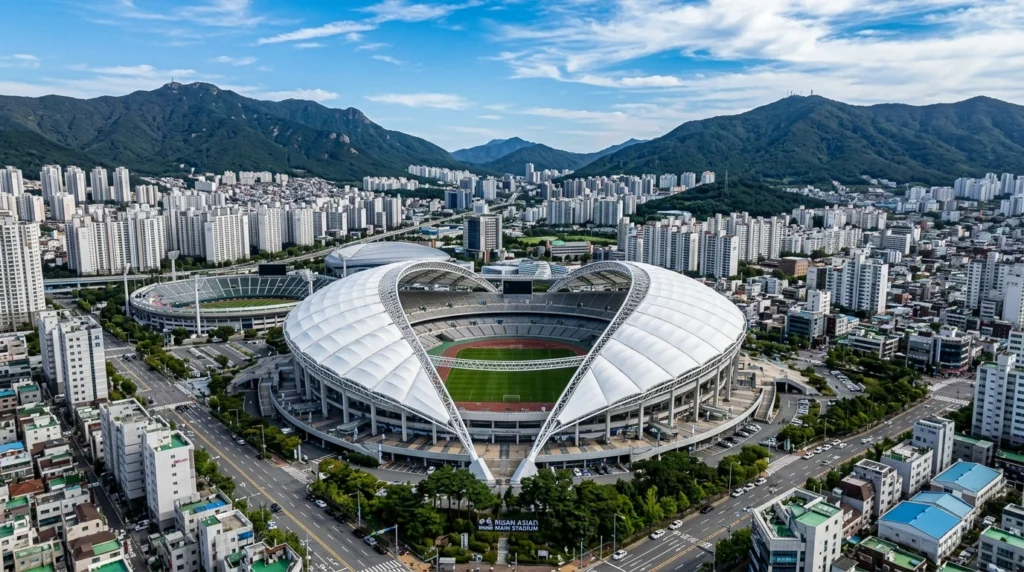
Transportation: How to Navigate Like a Local
When dealing with a venue that holds tens of thousands of people, relying on a personal vehicle or a taxi is rarely the best choice. In my experience traveling and commuting in major metropolitan hubs, mastering the local transit system is the most efficient way to avoid gridlock. For the Busan Asiad Main Stadium, the subway is unequivocally your best friend.
The stadium boasts fantastic public transportation accessibility. You will want to take Busan Subway Line 3 and get off at either “Sports Complex” (Jonghap Undongjang) Station or “Geoje” Station. Both stations put you within a comfortable walking distance of the stadium entrances. Following the crowds of fellow fans makes the short walk incredibly easy and adds to the pre-event excitement.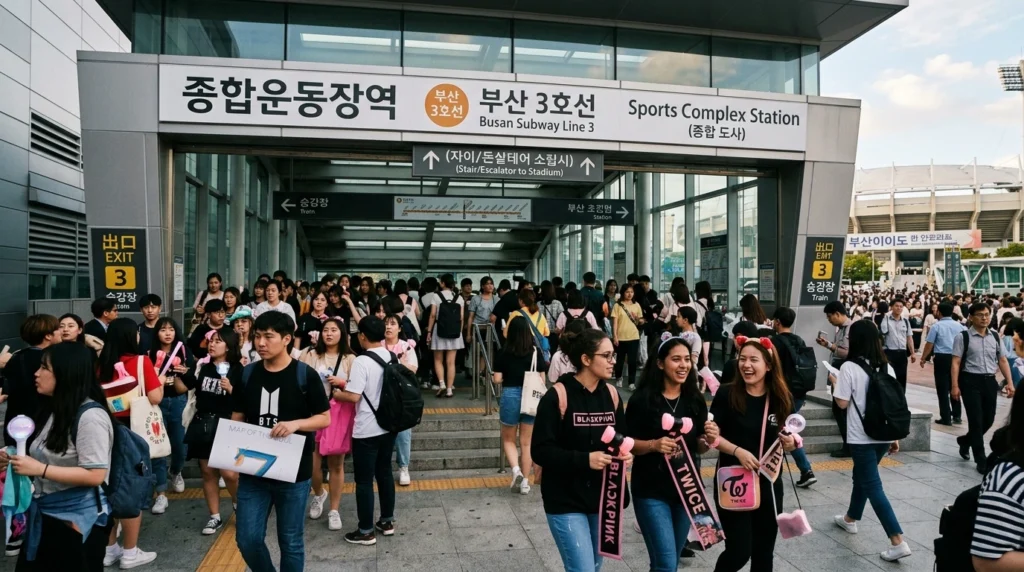
If you absolutely must drive or are traveling with someone who requires a vehicle, be prepared for intense traffic congestion around the venue. The immediate stadium parking lots fill up almost instantly on event days. A great insider tip is to bypass the main lots and head straight for the “Sajik Indoor Gymnasium” parking area, which is about a 15-minute walk away. It offers a bit more breathing room and makes your post-event escape much smoother.
Seating Guide: Finding Your Perfect Spot
Choosing the right ticket can make or break your stadium experience. Having sat everywhere from the front row to the nosebleeds in various arenas, I know that every section offers a distinct vibe. Here is what you need to know about the seating zones at the Busan Asiad Main Stadium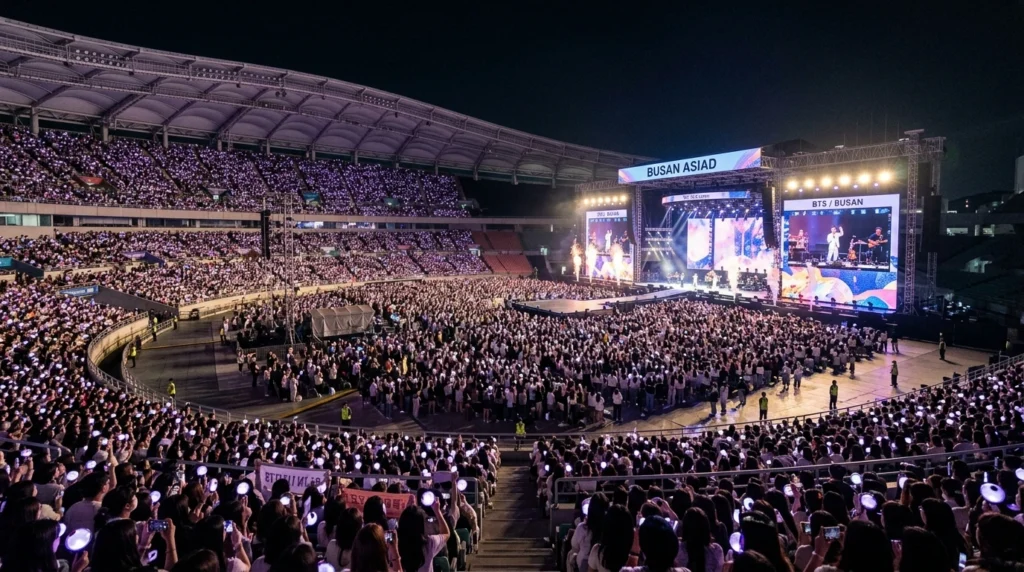
Ground Seating: This is the ultimate spot for fans who want to be as close to the stage or action as possible. However, keep in mind that the ground section is completely flat with no tiered elevation. If you are on the shorter side or if the person in front of you decides to stand on their toes, your view might be obstructed.
First-Floor Infield Seating (Approximately 20,000 seats): This is generally considered the sweet spot and is highly favored by regular concert-goers. The seats are arranged in a tiered, staircase fashion, which drastically reduces the chances of your view being blocked. You remain relatively close to the stage while enjoying a clear, comfortable line of sight.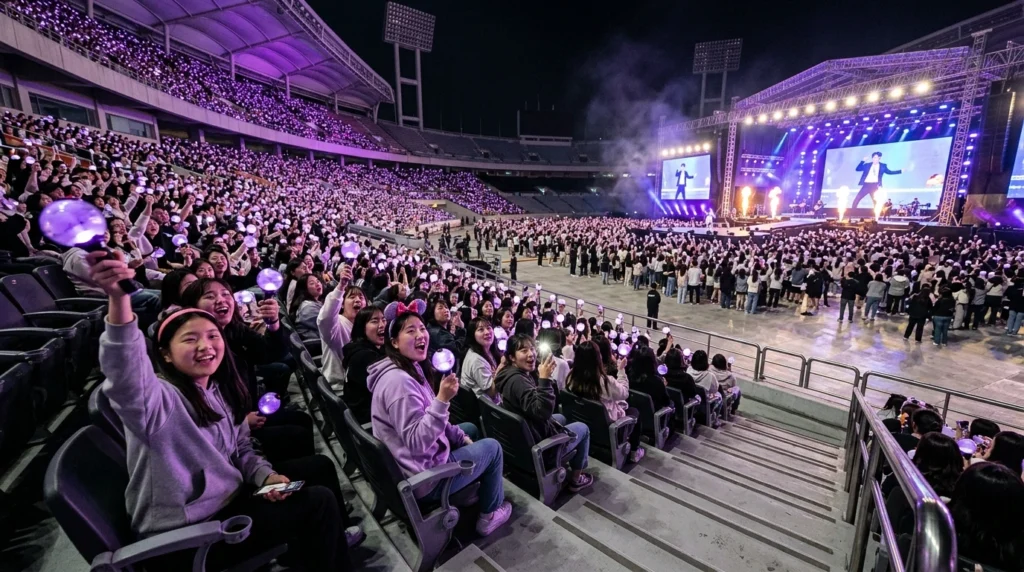
Second and Third-Floor Outfield Seating (Over 30,000 seats): Because the stadium features a running track around the field, these upper-level seats can feel quite far from the center of the action. However, do not let that discourage you! These seats offer a breathtaking panoramic view of the entire stadium, making them perfect for taking in the overall stage production, massive LED screens, laser shows, and the beautiful ocean of light sticks. Bringing a good pair of binoculars is highly recommended for this section.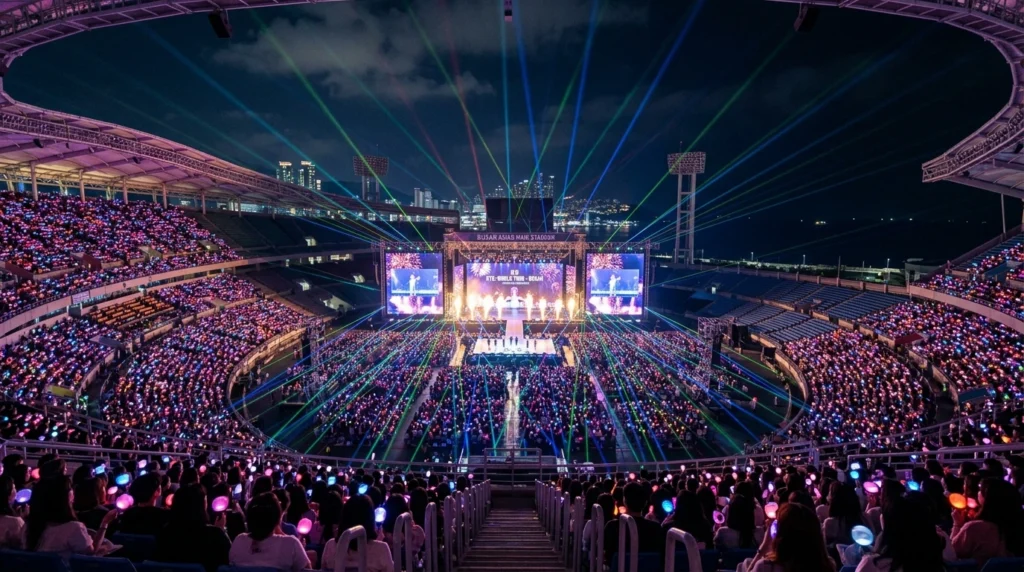
Essential Tips for a Smooth Experience
To truly enjoy a massive event, pacing yourself and planning ahead is crucial. First and foremost, aim to arrive at the stadium at least two hours before the gates close. Large-scale events mean long lines for everything: ticket verification, merchandise booths, photo zones, and restrooms. Arriving early gives you the chance to soak in the festive atmosphere without checking your watch every five minutes.
Security checks are taken very seriously to ensure the safety of all attendees. Be prepared for bag inspections at the gates. It is vital to check the event’s specific English guidelines beforehand to see what items are strictly prohibited. Leave large backpacks, professional camera equipment, and any unapproved items at your hotel to ensure a seamless entry.
Finally, let us talk about comfort. Navigating the crowds to find a concession stand can be a daunting task, so bringing a sealed bottle of water and some light snacks is a smart move. Furthermore, Busan is a coastal city, and once the sun goes down, the ocean breeze can bring a surprising chill to the air, especially in a semi-open stadium. Packing a light jacket or sweater in your bag will keep you comfortable throughout the evening, allowing you to focus entirely on the spectacular show in front of you.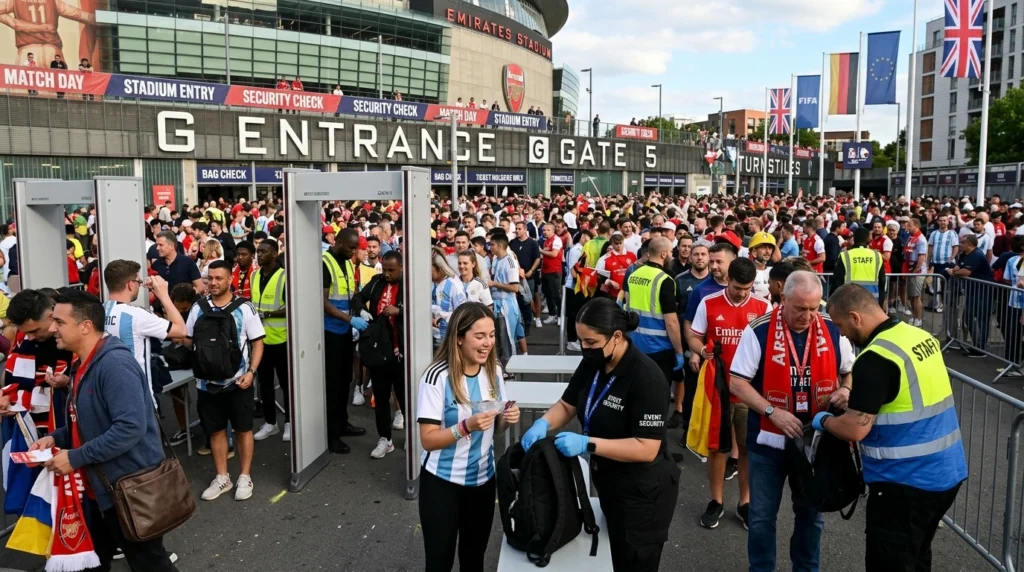
FAQ
What is the exact address of the Busan Asiad Main Stadium?
The official address is 344 World Cup-daero, Yeonje-gu, Busan, South Korea.
How many people can the stadium hold?
The stadium has over 53,000 fixed seats but can hold up to 80,000 people when field seating is utilized.
What is the best way to get to the stadium?
Taking Busan Subway Line 3 to either Sports Complex Station or Geoje Station is the most highly recommended method due to heavy event traffic.
Is parking available at the venue?
Yes, but it fills up extremely fast. A better alternative is the Sajik Indoor Gymnasium parking lot, which is a 15-minute walk away.
Are the ground-level seats tiered?
No, the ground seating area is completely flat, which means your view could be obstructed by people standing in front of you.
Which seating section offers the best unobstructed view?
The first-floor infield seating is tiered and provides a great, clear view without being too far from the stage.
Should I bring anything specific for the upper-level seats?
Since the stadium has a running track pushing the seats further back, bringing a pair of binoculars is highly recommended to see the details on stage.
How early should I arrive before my event?
It is strongly advised to arrive at least two hours early to account for merchandise lines, photo zones, and security checks.
Will there be security checks at the entrance?
Yes, strict bag checks and security screenings are standard procedure, so review the prohibited items list before you go.
Can I buy food and drinks inside?
Yes, there are concession stands, but lines can be very long. Bringing your own water and a small snack is a good idea if the event rules allow it.
What kind of weather should I prepare for during an evening event?
Due to the stadium’s semi-open dome and Busan’s coastal location, it can get quite chilly at night. Bringing a light jacket is highly recommended.
Is the stadium fully enclosed?
No, it features a semi-open dome structure, which allows for natural air circulation but also lets in the evening weather.
💜 BTS Busan Concert Complete Guide Series
Optimize your concert experience with our curated guide series! Bookmark this section and explore these essential resources to ensure a seamless and unforgettable trip to Busan.
- • Comprehensive Guide (Hub):
The Ultimate Guide for Attending the BTS Concert in Busan - • Accommodation & Transit:
- • Food & Fan Pilgrimage:
- • Itinerary & Essential Tips: