
This post details specific tips for this topic. To access the master navigation map and essential tips for international fans, please check out
Busan BTS Concert Survival Guide for First-Time Visitors ↗
Navigating a new city for a massive stadium concert can feel overwhelming, but with the right preparation, your journey can be as smooth as the performance itself. Having navigated complex public transit networks from the sprawling subway lines of New York City to the efficient streetcar systems of Toronto, I have learned that understanding local transportation is the key to a stress-free trip. South Korea boasts one of the most efficient public transit systems globally, and Busan is no exception. Whether you are an international traveler or visiting from another city, this comprehensive guide will help you master the subway, buses, taxis, and the essential transit cards needed to get to the BTS concert venue safely and on time.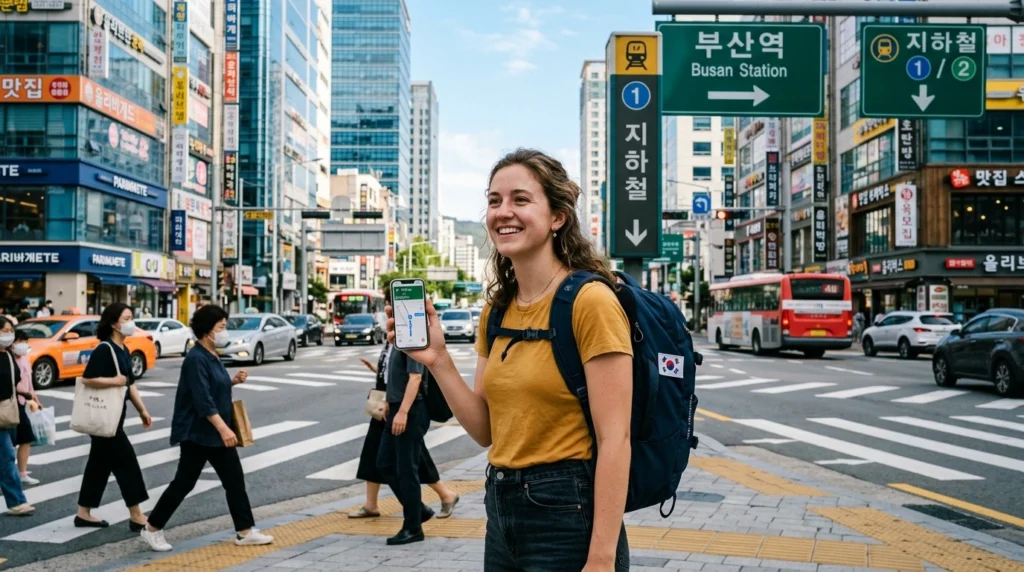
Why T-Money Matters
If there is one item you absolutely must have in your wallet before stepping out of your hotel, it is the T-Money card. Having used various transit passes across North America, I can confidently say that the T-Money system is unparalleled in its convenience and universal integration.
The T-Money card is a versatile, rechargeable smart card that acts as your golden ticket to the city. It offers broad compatibility, meaning you can seamlessly tap your way onto city buses, village buses, express buses, the subway network, and even pay for your taxi rides. One of the greatest advantages of using this card is the transfer discount system. When you tap on and off between different modes of public transit, you receive significant fare discounts, making your travel highly economical.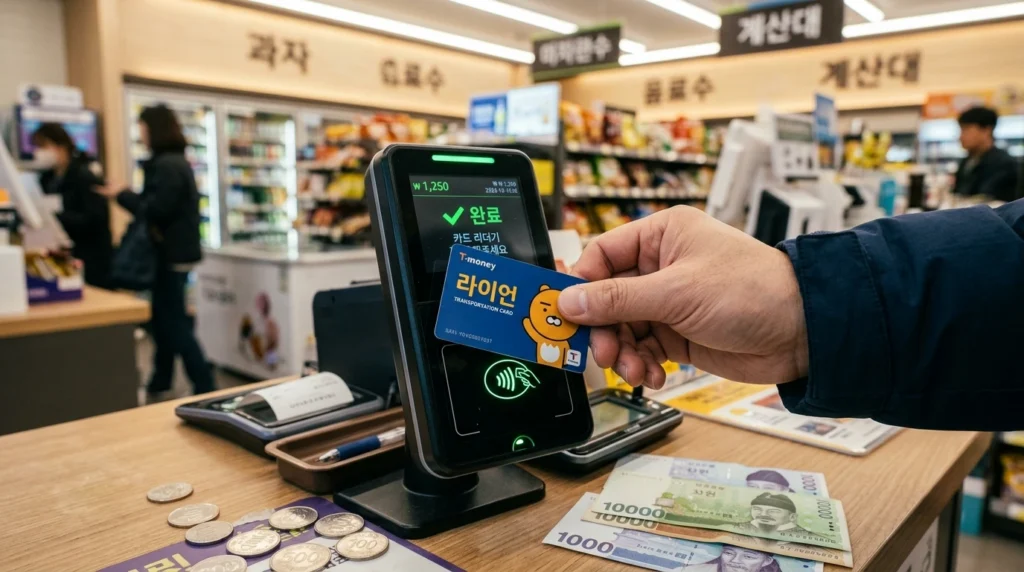
Furthermore, charging the card is incredibly easy. You can top up your balance at subway stations, banks, and nearly all convenience stores dotted around every street corner. Beyond transportation, the T-Money card functions as a digital wallet. You can use it to purchase snacks at convenience stores, grab a coffee at various cafes, or pay at participating restaurants. By linking it to its dedicated mobile application, you can easily track your balance and travel history, ensuring you are always ready for the next ride.
Busan Subway Basics
When a mega-event like a BTS concert hits town, the subway—officially known as the Busan Metro—becomes your most reliable friend. Just as seasoned concert-goers rely on underground transit to avoid stadium gridlock in major Western cities, you should make the subway your primary mode of transportation in Busan.
The city is well-connected through major transfer hubs. Key stations like Busan Station on Line 1, Seomyeon Station on Line 2, and Suyeong Station on Line 3, along with the Donghae Line, provide rapid access to the concert venue from virtually anywhere in the city. During large-scale events, the local government and transit authorities implement special transportation measures to accommodate the massive influx of fans.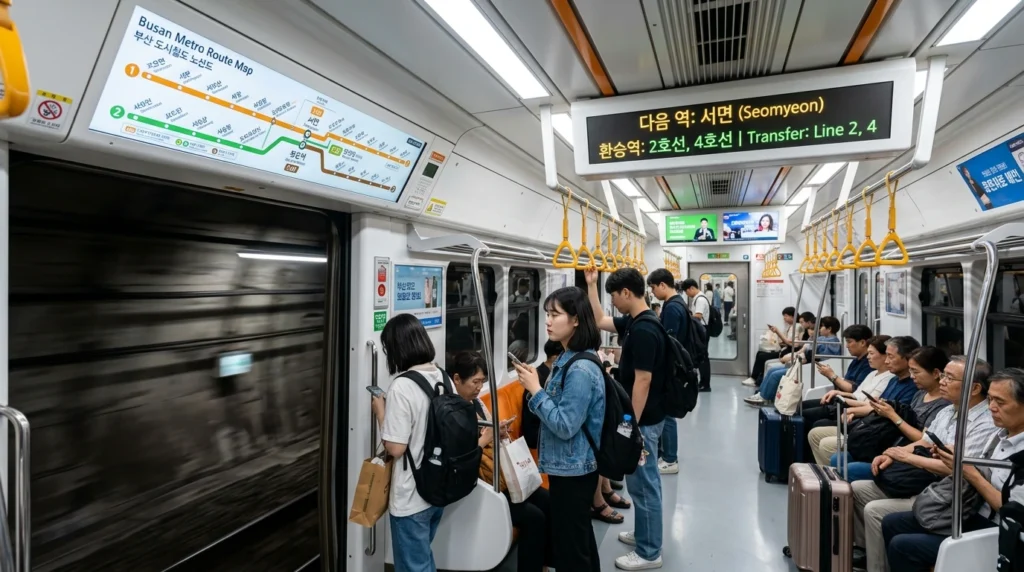
You can expect a significant increase in the frequency of trains and buses. Authorities dramatically boost the number of subway runs and extend operating hours to ensure everyone gets home safely after the final encore. By sticking to the subway, you bypass surface-level traffic entirely, guaranteeing a predictable and efficient arrival at the stadium gates.
When to Use Taxi
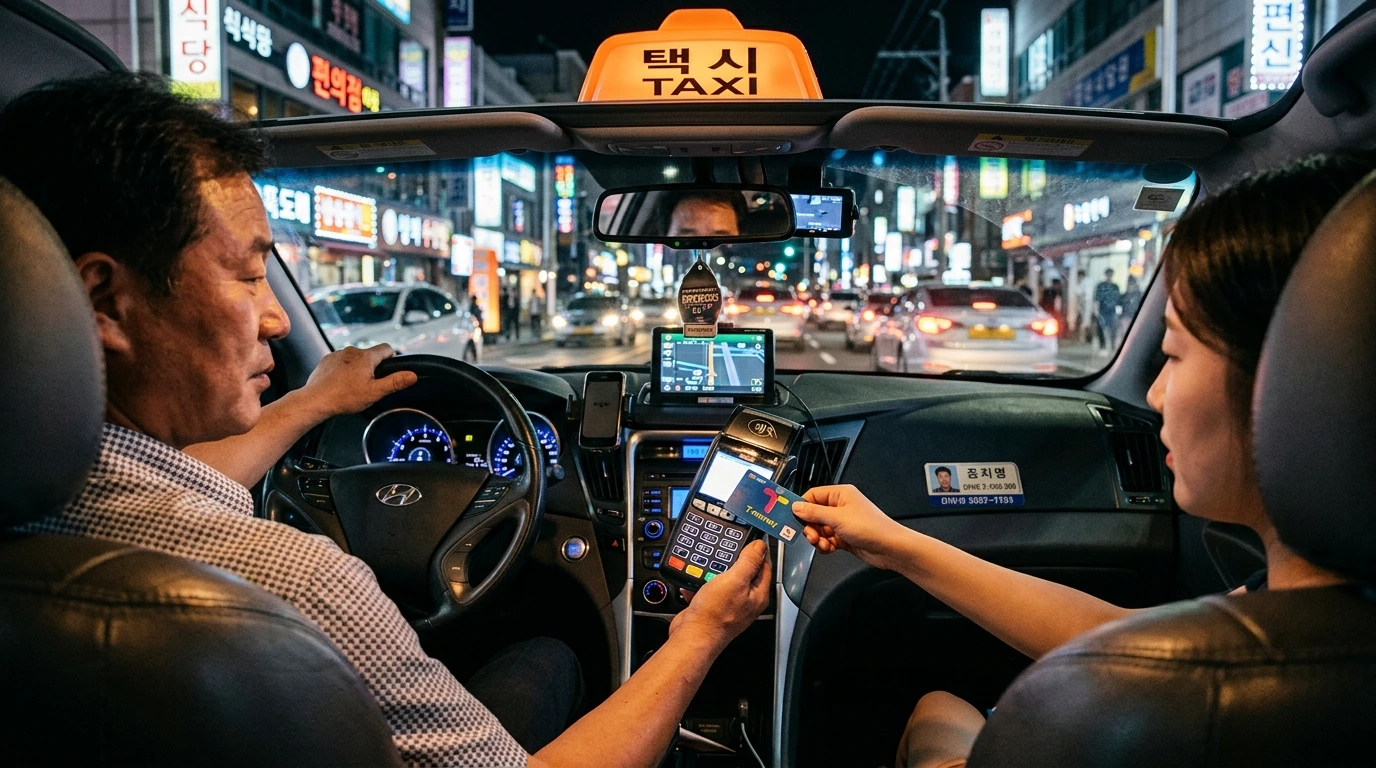
Taxis in Busan are plentiful, clean, and offer a comfortable alternative when you are carrying heavy luggage or traveling late at night in small groups. The best part is that every taxi is equipped with a terminal that accepts your T-Money card, making payment frictionless without the need to fumble for cash or worry about international credit card fees.
However, timing and location are crucial when deciding to hail a cab. Taxis are excellent for traveling between your accommodation and major dining districts or tourist spots. But when it comes to heading directly to the concert, you must exercise caution. On the day of the event, roads surrounding the venue—such as the areas around the Asiad Main Stadium and parts of Sports Park Road—are subject to severe traffic controls and partial or full closures.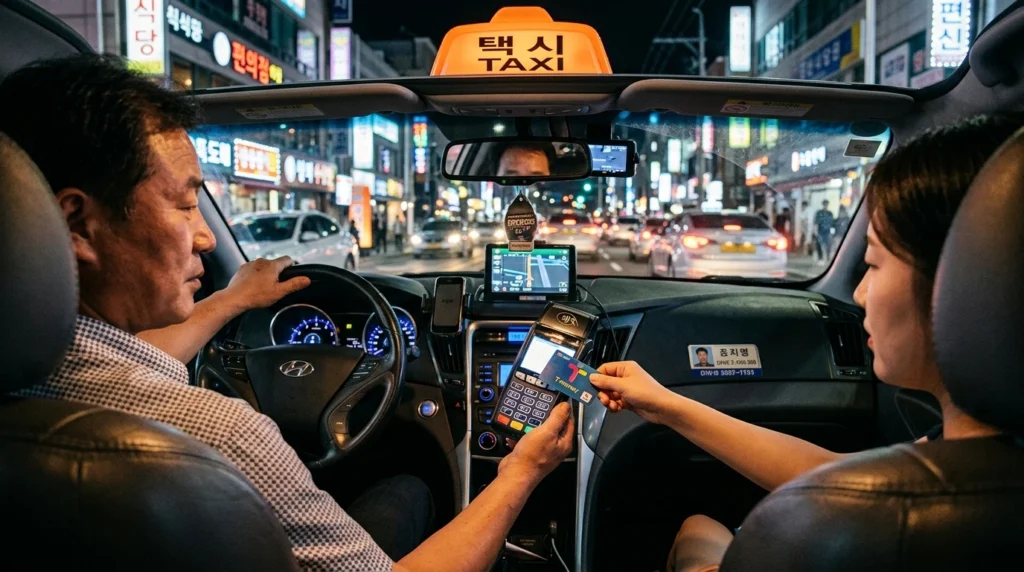
Traffic police and a comprehensive situation room manage the heavy vehicular flow by diverting cars away from the stadium. Attempting to take a taxi right to the front gates will result in you being stuck in gridlock for hours. It is highly advised to use a taxi only to reach a nearby subway station and complete the final leg of your journey underground.
Late Night Transport Tips
The euphoria of a BTS concert usually lasts well into the night, and figuring out how to get back to your hotel should not dampen the mood. Fortunately, Busan’s transit authorities are well-prepared for the post-concert rush.
To facilitate the safe return of tens of thousands of attendees, operations for both the subway and select city buses are extended well past their usual closing times. In addition to regular routes, special temporary shuttle buses and extended airport bus services are often deployed exclusively for concert-goers, maximizing convenience and safety.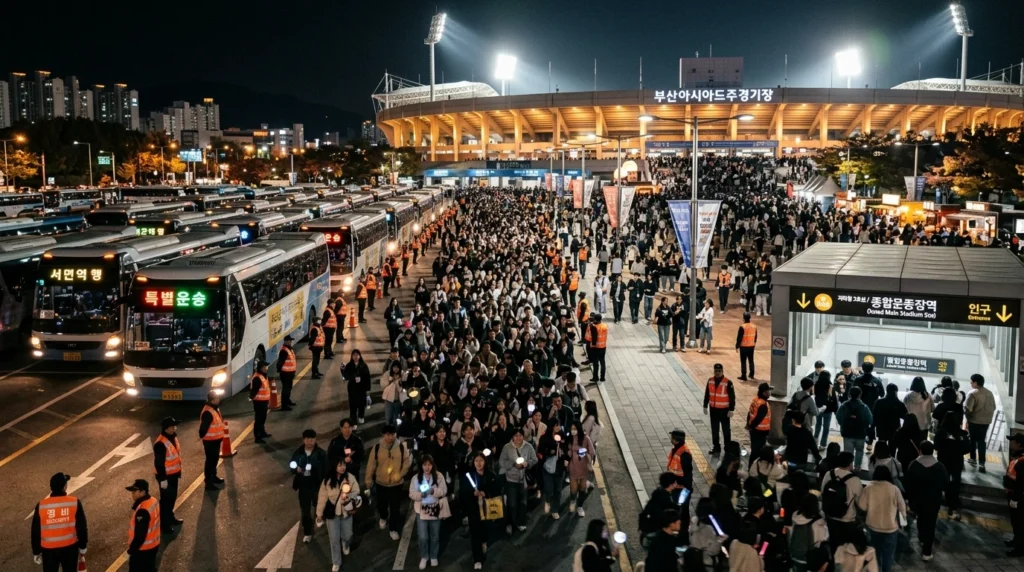
To stay ahead of the crowds, it is wise to monitor real-time traffic information. Checking digital traffic boards across the city, tuning into local traffic broadcasts, or checking official local government social media channels can provide vital updates on road conditions and transit schedules. Planning your exit strategy beforehand and moving efficiently toward the designated late-night transit hubs will save you from long waits.
Common Mistakes First-Time Visitors Make
Even experienced travelers can fall into a few traps when navigating a new city during a massive cultural event. One of the most frequent errors is failing to top up the T-Money card in advance. The lines for ticketing machines at the subway station closest to the stadium will be incredibly long after the concert. Ensure your card has a generous balance before you even head to the venue.
Another common pitfall is underestimating the road closures. Many first-time visitors assume they can simply ride-share or take a taxi to the stadium entrance, just as they might in cities with massive stadium parking lots. In Busan, the urban layout means that road closures are strictly enforced to protect pedestrians. Relying on a car will leave you walking a massive distance anyway.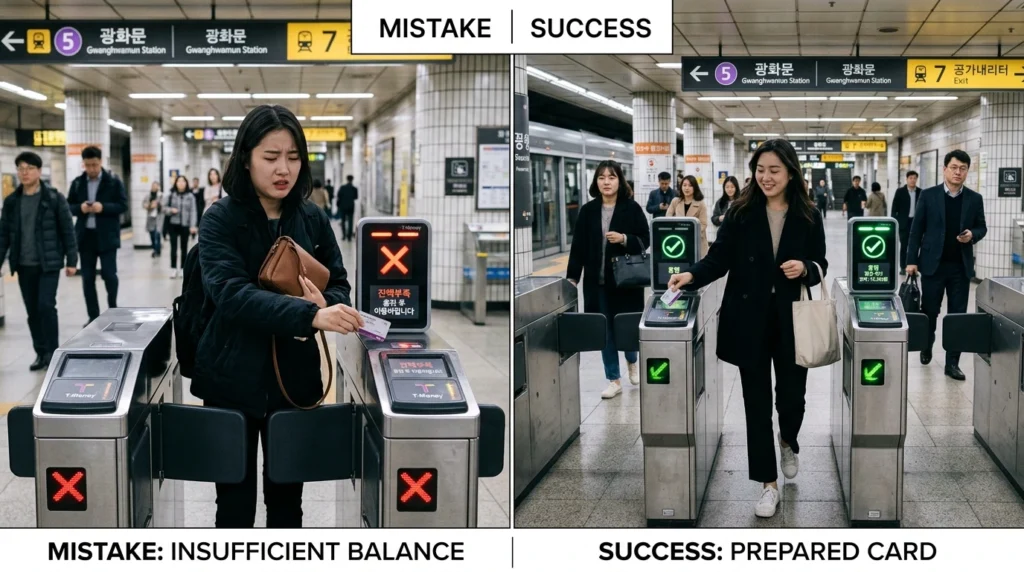
Lastly, failing to utilize the transfer system by not tapping the T-Money card when exiting a bus or subway is a mistake that costs unnecessary money. Always remember to tap out. By avoiding these simple errors, you ensure that your focus remains exactly where it should be: on the incredible music and the unforgettable experience of the concert.
FAQ
Q: Can I use the transit card I bought in another Korean city in Busan?
A: Yes, T-Money cards are universally accepted across the country, so a card purchased in another city will work perfectly on Busan’s subways, buses, and taxis.
Q: Where is the best place to recharge my transit card?
A: The most convenient places to top up your balance are convenience stores and the automated ticket machines located inside all subway stations.
Q: Will the subway run late enough for me to get back after the concert?
A: Yes, transit authorities extend the operating hours of major subway lines and buses specifically to accommodate the crowds leaving the event.
Q: Can I pay for a taxi with my transit card?
A: Absolutely. All official taxis are equipped with terminals that allow you to tap and pay using your card.
Q: Is it a good idea to take a taxi directly to the concert stadium?
A: No. Heavy traffic controls and road closures around the venue make it nearly impossible for vehicles to approach the stadium, so taking the subway is strongly recommended.
Q: Are there English signs in the subway system?
A: Yes, all subway stations, ticket machines, and in-train announcements feature clear English translations to help international visitors navigate easily.
Q: Do I need to tap my card when getting off the bus?
A: Yes, you must always tap your card when exiting the bus to ensure you receive transfer discounts for your next ride.
Q: Are there any special shuttle buses provided for the event?
A: During major events, the city often deploys temporary shuttle buses and extends the routes of certain lines to help transport fans efficiently.
Q: How can I check real-time traffic updates?
A: You can monitor official city social media accounts, digital traffic boards on the streets, and local traffic broadcasting networks for the latest updates.
Q: Can I use cash to buy a single-journey subway ticket?
A: Yes, automated machines in the stations accept cash for single-journey tickets, but using a rechargeable card is much faster and cheaper.
Q: What happens if I lose my transit card?
A: Unregistered cards function like cash, so if you lose it, the balance cannot be recovered. It is best to keep it secure in a wallet or lanyard.
Q: Is the subway system accessible for those with mobility issues?
A: Yes, major transfer stations and the station near the stadium are equipped with elevators and escalators to assist passengers requiring mobility support.
💜 BTS Busan Concert Complete Guide Series
Optimize your concert experience with our curated guide series! Bookmark this section and explore these essential resources to ensure a seamless and unforgettable trip to Busan.
- • Comprehensive Guide (Hub):
The Ultimate Guide for Attending the BTS Concert in Busan - • Accommodation & Transit:
- • Food & Fan Pilgrimage:
- • Itinerary & Essential Tips: