
Having spent decades navigating the vast, card-heavy landscapes of North America, where you can buy a single pack of gum with a tap of your smartphone, stepping into the vibrant, high-tech wonderland of South Korea feels like a glimpse into the future. High-speed internet, seamless digital infrastructure, and sprawling metropolises create an illusion that physical currency is a thing of the past. You can dine at upscale restaurants, shop at massive underground malls, and even buy groceries with global digital wallets like Apple Pay or travel-friendly cards like Wise. However, just when you think you can leave your physical wallet at your accommodation, you will inevitably hit a cultural speed bump. There are specific, crucial moments in this incredibly modern nation where cold, hard cash is the only language spoken.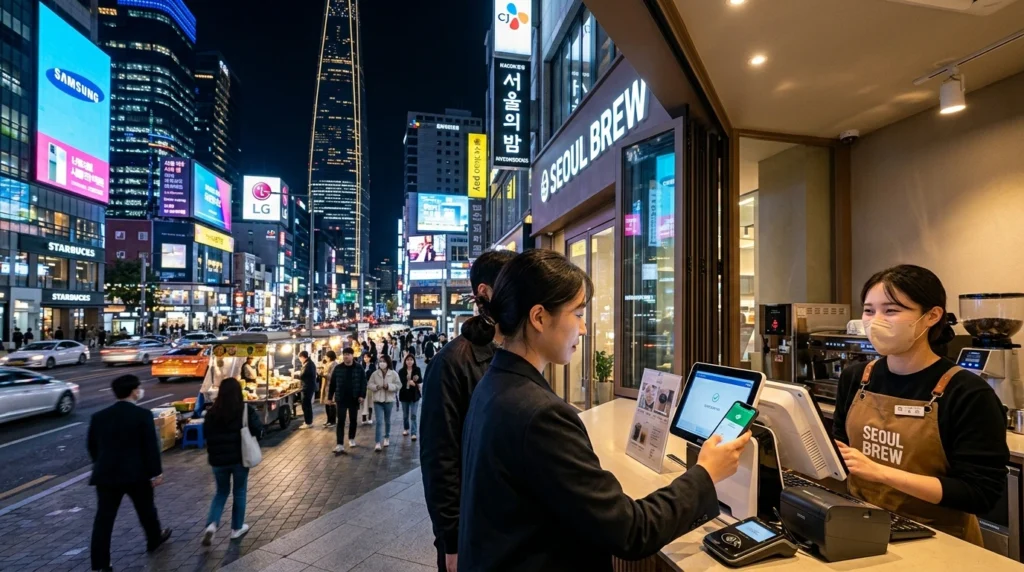
If you want to truly experience the authentic pulse of the country—from the aroma of late-night street vendors to the highly efficient public transit system—understanding when and why you need cash is absolutely essential. Let us dive into the quintessential experiences where having a few paper bills in your pocket will save the day.
The T-money Trap: Navigating Public Transit Like a Pro
One of the most universally shared experiences among visitors is the sudden panic at a convenience store checkout counter. You walk into a brightly lit CU, GS25, or 7-Eleven, grab a T-money transit card to explore the city, and confidently present your international credit card to load it up. The cashier shakes their head and politely points to a small sign: “Cash Only.”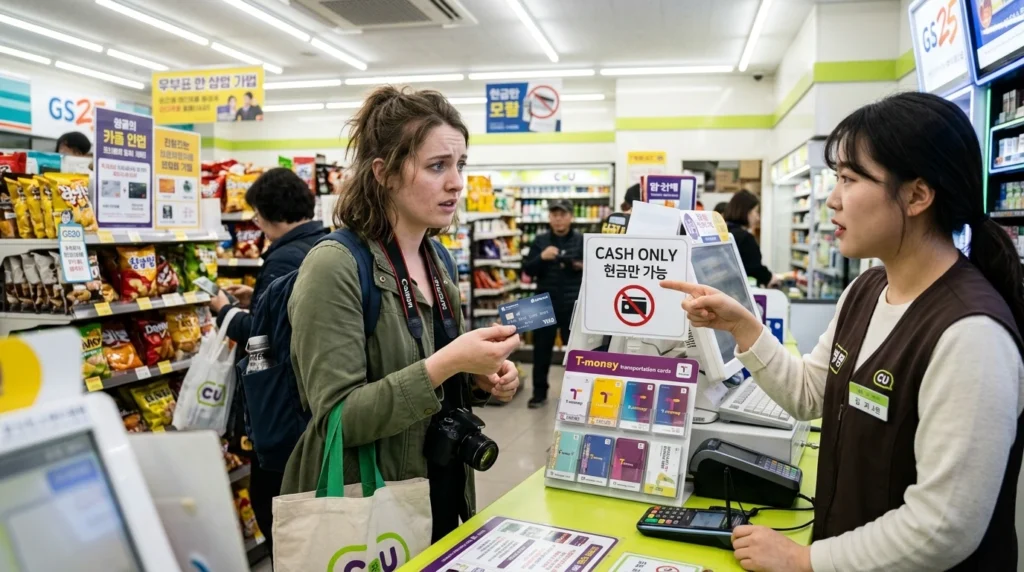
The T-money card is the lifeblood of urban exploration here. You can purchase the physical card itself at convenience stores, inside subway stations via automated ticketing machines, or at major entry points like Incheon and Gimpo airports. The card alone costs anywhere from 2,500 to 6,000 KRW depending on the design, and this purchase is non-refundable. But the critical rule to remember is that recharging this card is strictly a cash-only transaction. Even if you have been effortlessly tapping your phone for coffees and meals all day, the subway machines and convenience store clerks will only accept physical bills—usually in increments of 10,000 to 50,000 KRW—to top up your transit balance.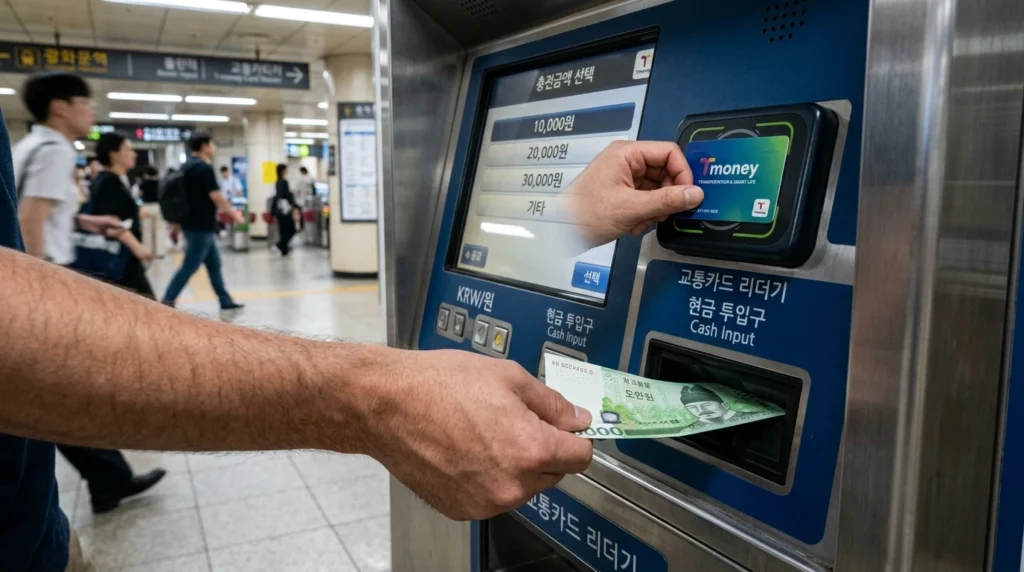
Why go through this hassle instead of just paying cash directly on the bus? The answer lies in the highly efficient transfer discount system. When you use a cash-loaded T-money card, you unlock the magic of free or heavily discounted transfers between subways and buses within a 30-minute window, valid for up to four transfers per journey. If you drop physical coins into the fare box when boarding a bus, you forfeit these transfer privileges entirely. Therefore, withdrawing physical currency to load your digital transit card is a non-negotiable step for any savvy traveler.
Savoring the Streets: Myeongdong and Local Bites
Beyond the turnstiles of the subway, the next place your cash will become your best friend is on the bustling, neon-lit streets. The street food culture here is legendary, offering a sensory overload of sizzling meats, sweet pancakes, and spicy rice cakes. When you wander into famous pedestrian hubs like Myeongdong, you will find endless rows of food carts serving everything from grilled lobster tails to classic fish cakes.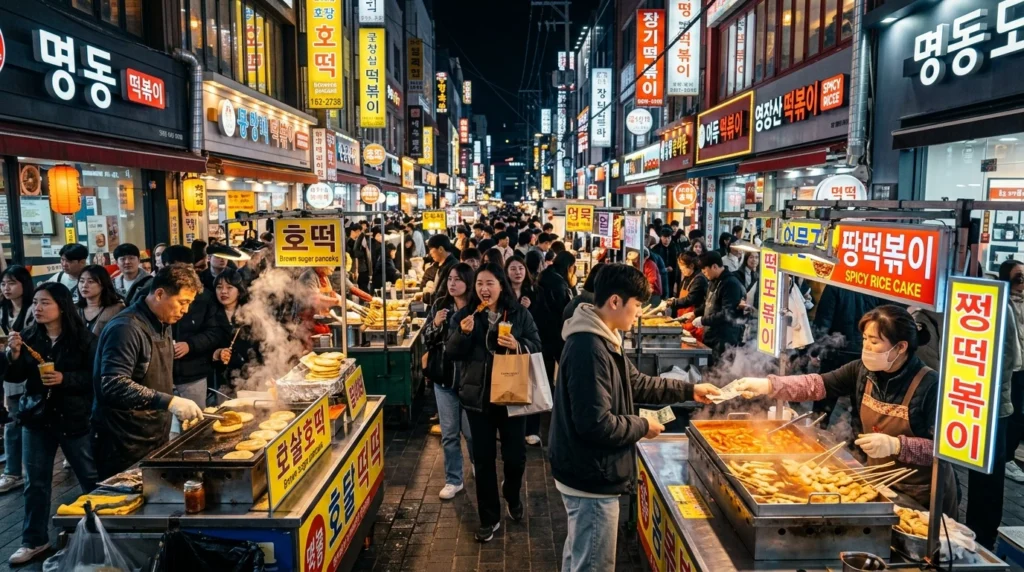
While the surrounding cosmetic shops and massive department stores will gladly swipe your foreign credit cards, the independent street vendors operate almost entirely on cash or local bank transfers. For a traveler without a local bank account to wire money instantly, having physical bills is the only way to enjoy these iconic culinary delights.
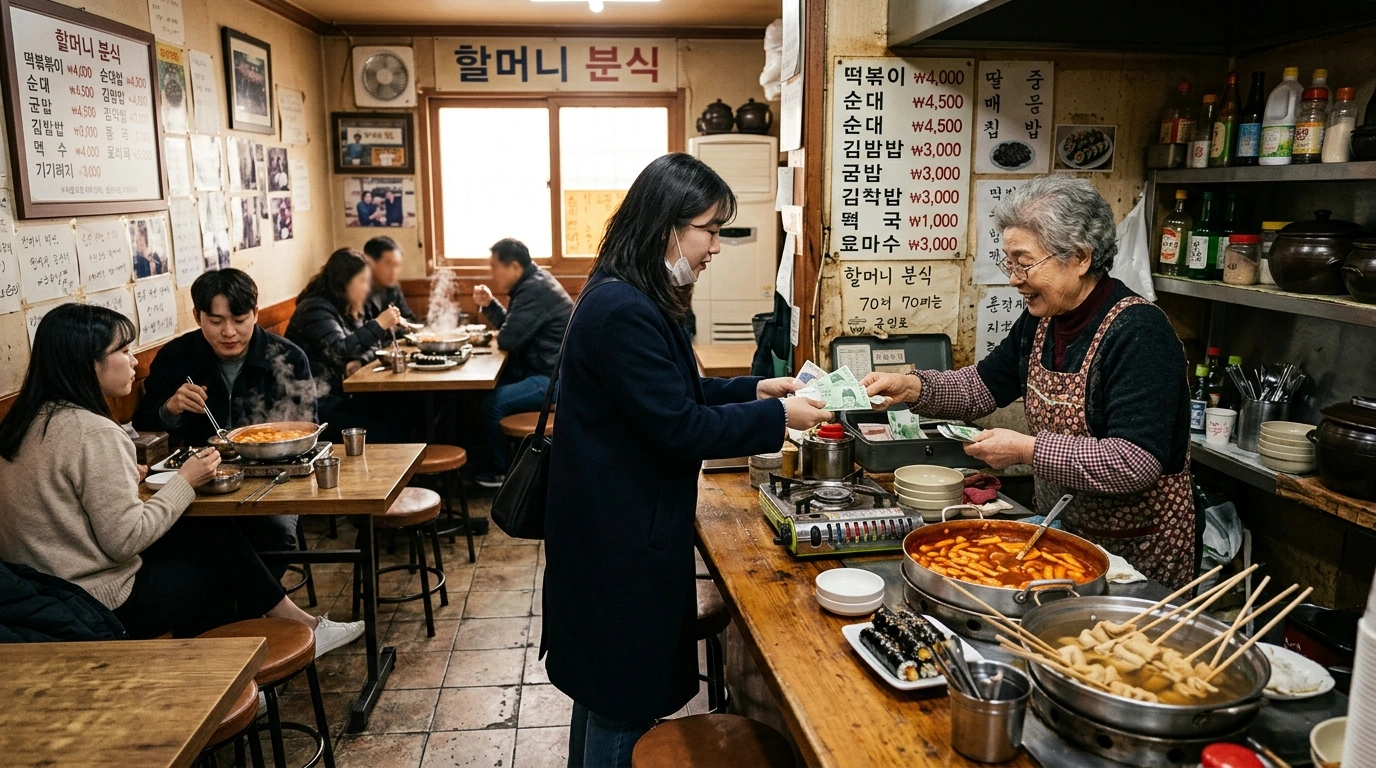
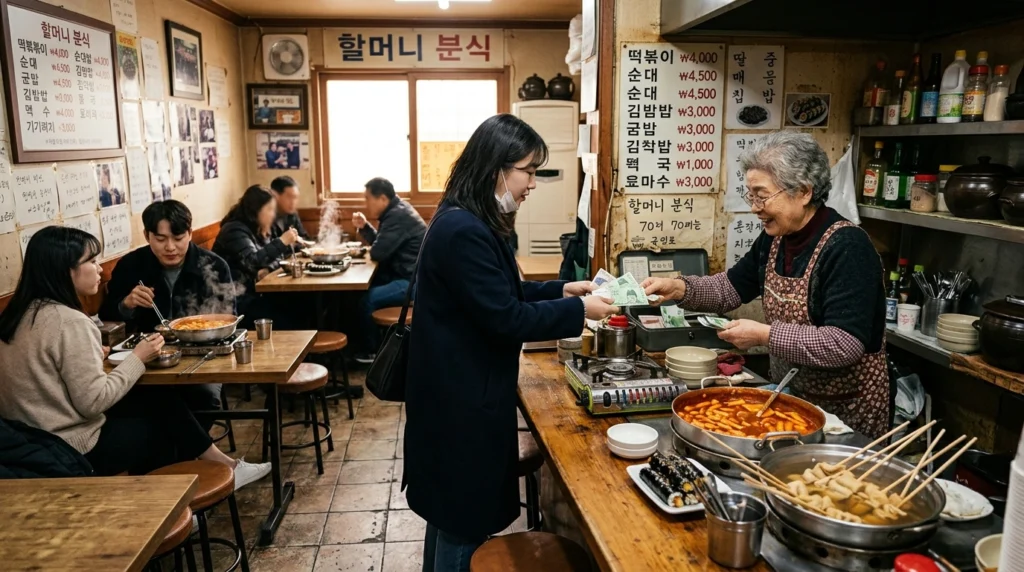
This cash-preferred culture extends beyond the outdoor carts and into the beloved local eateries known as “bunsikjip” (snack restaurants). Tucked away in the alleys of Myeongdong and other traditional neighborhoods, you will find famous, historic spots like Myeonghwa Dang, Shinsegae Tteokbokki, Byeongari Gimbap, and Youngcha Tteokbokki. These intimate mom-and-pop establishments specialize in inexpensive, soul-warming comfort food. Because the profit margins are tight and the transaction amounts are often very small, these vendors highly prefer, and sometimes strictly require, physical money. Handing over a crisp bill for a steaming plate of spicy tteokbokki connects you to the local rhythm in a way that tapping a piece of plastic never could.
💡 Don’t get lost using Google Maps in South Korea!
To find the precise walking paths and real-time transit routes in Busan, check out our full guide on how to master the local navigation app:
How to Use Naver Map in Korea: Best Navigation App Guide ↗
Smart Tips for Keeping Your Wallet Ready
So, how do you prepare for this duality of digital convenience and traditional cash necessity? The key is strategic ATM usage. Do not wait until you are deep in the labyrinth of a traditional market to look for an ATM, as local bank machines may not always accept foreign cards.
Instead, look for ATMs that specifically display a “Global” sign. Major banks, such as Woori Bank, often have these international-friendly machines strategically placed in airports, major subway stations, and tourist districts. It is a wise habit to withdraw a comfortable buffer of cash—around 50,000 to 100,000 KRW—as soon as you spot one of these machines. Keep the larger bills for your T-money recharges and ask cashiers to break them down so you have smaller notes for the street food vendors.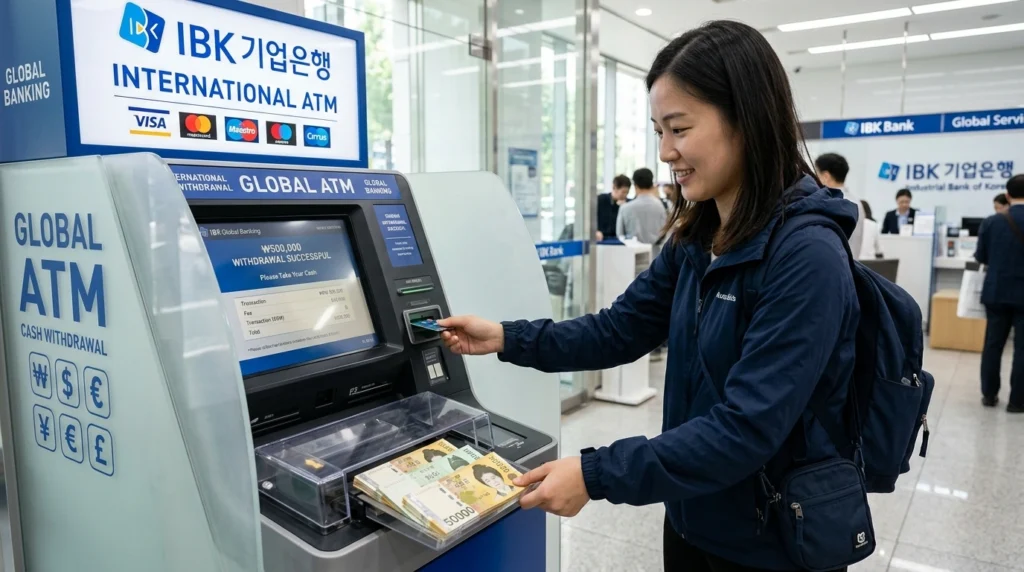
Living across different continents teaches you that the true joy of travel is adapting to the local flow. By keeping a modest stash of cash on hand, you save yourself the embarrassment of a declined international card and ensure that no delicious street snack or spontaneous subway journey is ever out of reach.
Frequently Asked Questions
Can I use Apple Pay to recharge my T-money card?
No. T-money card recharges at convenience stores and subway machines are strictly cash-only transactions. Apple Pay and international credit cards will be declined for this specific service.
Where can I buy a T-money card?
You can easily purchase them at major convenience stores like CU, GS25, and 7-Eleven, as well as at automated vending machines inside subway stations and at the airports.
How much does a T-money card cost?
The physical card itself costs between 2,500 and 6,000 KRW depending on the design. This fee is for the card only and does not include any transit balance.
Is the purchase price of the T-money card refundable?
No, the initial cost of purchasing the card is non-refundable. However, you can keep the card as a souvenir or use it again on future trips.
Can I get a refund for the unused balance on my T-money card?
Yes, you can get a refund for the remaining balance at convenience stores (usually for amounts under 20,000 KRW) or at customer service centers in subway stations. A small processing fee is typically deducted.
Why shouldn’t I just pay cash when I get on the bus?
If you pay with cash directly in the bus fare box, you will not be eligible for the transfer discounts. Using a loaded T-money card allows you to transfer between buses and subways for free or at a discount within 30 minutes.
Do street food vendors in Myeongdong accept credit cards?
Most street food vendors in Myeongdong operate on a cash-only basis or accept local Korean bank transfers. It is highly recommended to bring physical cash.
Can I use foreign credit cards at small local restaurants?
While many restaurants do accept foreign cards, small mom-and-pop snack shops (bunsikjip) often prefer cash, especially for very small orders. Having cash on hand prevents any awkward checkout moments.
Where can I withdraw cash using an international debit card?
Look for ATMs with a “Global” sign, which are commonly found at major banks like Woori Bank, inside airports, and at large subway stations. Regular domestic ATMs may not process foreign cards.
How much cash should I carry with me daily?
Carrying around 30,000 to 50,000 KRW is generally a safe amount to cover T-money recharges, a few street food snacks, and emergency small purchases where cards might not be accepted.
Are there high ATM withdrawal fees?
Fees vary depending on your home bank and the Korean ATM you use. Using travel-friendly cards like Wise or Revolut can help minimize foreign transaction fees, but the local ATM operator may still charge a small flat fee.
Can I use my T-money card to buy things other than transit fares?
Yes! Besides public transportation, you can use your T-money balance to pay for items at convenience stores, some vending machines, and even certain fast-food chains and taxis.
🎁 The Ultimate Guide to Experiencing Busan Like a Local
Don’t miss out on the authentic flavors and hidden local stories of Busan during your BTS concert trip!
💜 Essential Guide for BTS Concert Attendees