
For anyone who has felt the pull of the ocean, there is a specific kind of magic that happens when a city meets the sea. Busan, South Korea’s coastal crown jewel, transforms during the summer months into a vibrant, sun-drenched playground that rivals the famous boardwalks of the Atlantic or the laid-back surf towns of the Pacific Northwest. If you are planning your first excursion to this maritime metropolis, understanding the rhythm of the Busan summer beach season is crucial. The city doesn’t just “open” its beaches all at once; it’s a choreographed rollout designed to welcome millions of sun-seekers to its pristine shores. Whether you are looking for the high-energy pulse of a world-class resort or a quiet corner to watch the sunset, Busan’s diverse coastline has something tailored for every traveler.
When the Waves Call: 2026 Busan Summer Beach Season Opening Schedule
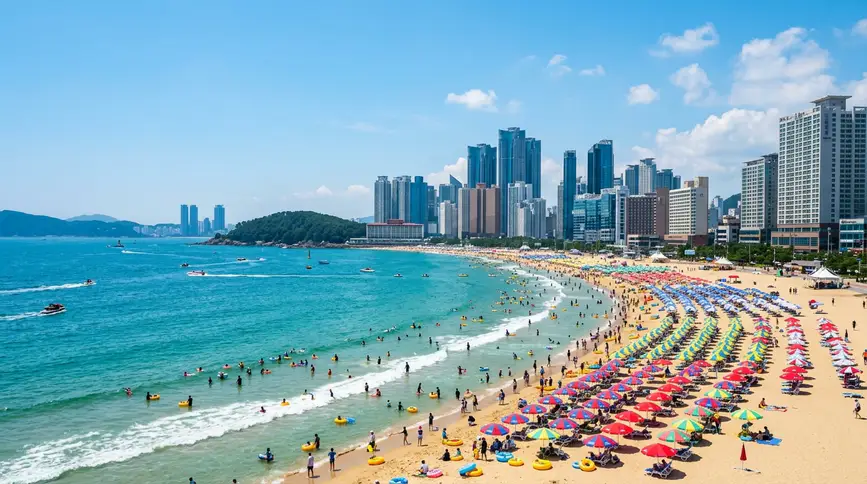
In Busan, the official start of summer is marked not by the calendar, but by the unfurling of parasols. To ensure top-notch safety and quality, the city operates on a staggered schedule. In 2026, responding to earlier heatwaves, the “Big Two”—Haeundae Beach and Songjeong Beach—lead the charge with an early opening on June 26. This caters to the eager crowds looking to dive into the ocean as the humidity begins to rise.
Following closely behind, the rest of the city’s coastal gems, including Gwangalli Beach, Songdo Beach, Dadaepo Beach, Ilgwang, and Imrang, will officially open their gates on July 1. While the water is accessible year-round for a scenic stroll, the “official opening” means the full deployment of professional lifeguards, the setup of public shower facilities, and the availability of rental equipment like tubes and sunbeds.
Most of these beaches will conclude their seasonal operations at the end of August (August 31). However, Haeundae Beach extends its welcome until September 15, allowing visitors to enjoy those beautiful, lingering late-summer days when the air becomes crisp but the water remains perfectly warm.
| Beach Name | Opening Date | Closing Date |
|---|---|---|
| Haeundae | June 26, 2026 | September 15, 2026 |
| Songjeong | June 26, 2026 | August 31, 2026 |
| Gwangalli, Songdo, Dadaepo, Ilgwang, Imrang | July 1, 2026 | August 31, 2026 |
Haeundae Beach: The Glitz and the Glamour of the Metropolitan Coast
Haeundae is more than just a beach; it is a cultural phenomenon. If you’ve ever strolled along the promenade of a major international resort city, you’ll recognize the energy here immediately. It is the most famous beach in Korea, and for good reason. The infrastructure is world-class, with a wide, sandy shore framed by a skyline that looks like something out of a futuristic movie.
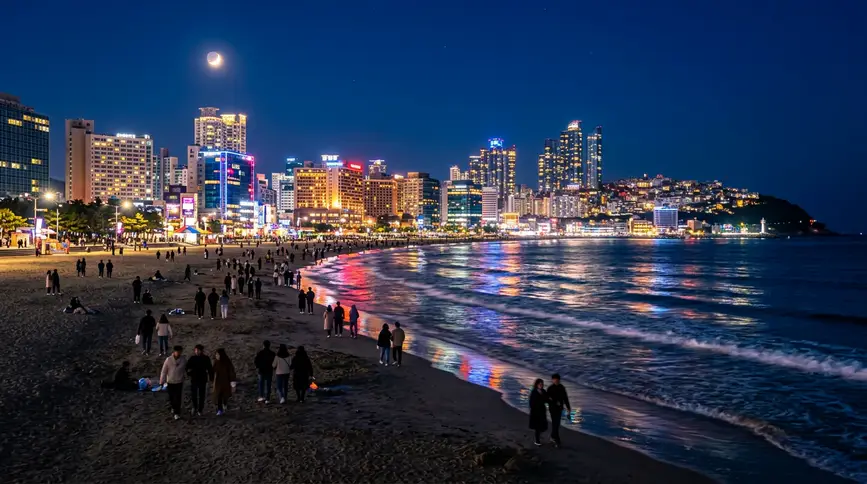
For first-time visitors, the scale of Haeundae can be overwhelming, but it’s remarkably well-organized. During the peak season, the sight of thousands of matching parasols is an iconic Busan image. One of the unique highlights of Haeundae is its night opening period. In the heart of summer, the city allows night swimming under the glow of the moon and the surrounding neon lights—a truly surreal experience that feels both safe and exhilarating. The proximity to high-end hotels, traditional markets, and the “Street Food Zone” means you can transition from a dip in the ocean to a gourmet meal or a plate of spicy rice cakes in a matter of minutes.
Gwangalli Beach: Where the City Skyline Meets the Sea
If Haeundae is the glamorous older sibling, Gwangalli is the trendy, artistic middle child. This beach is famous for its front-row seat to the Gwangandaegyo (Diamond Bridge). The bridge stretches across the horizon, and as evening falls, it becomes the backdrop for one of the most spectacular light shows in Asia.
Gwangalli has a distinct “neighborhood” feel that appeals to those who enjoy a side of culture with their coastline. It has recently become a hub for wellness, with morning beach yoga sessions and sunset Pilates programs that allow you to find your zen amidst the salt air. But the real showstopper is the ‘Gwangalli M Drone Light Show’ held every Saturday night. Hundreds of drones take to the sky to create intricate shapes and stories, turning the beach into a massive outdoor theater. The surrounding alleys are packed with craft breweries and third-wave coffee shops, making it the perfect spot for those who want a sophisticated, “locals-only” vibe.
Songjeong Beach: A Surfer’s Paradise and Family Sanctuary
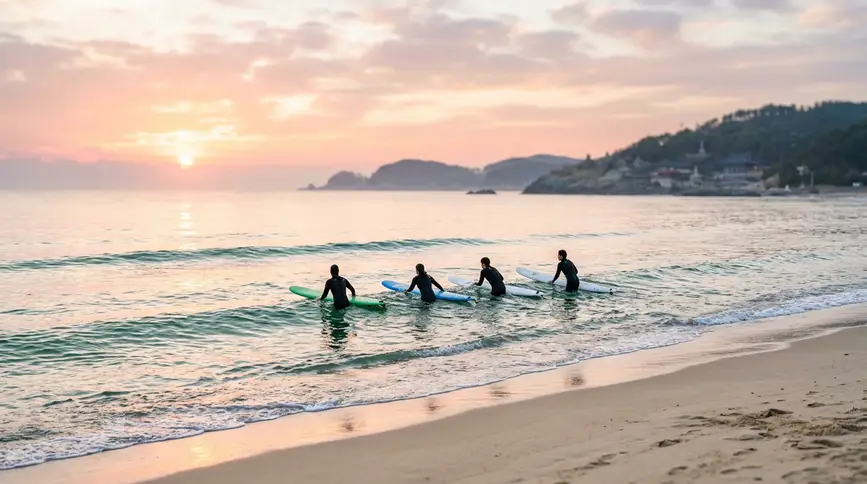
For those who find the hustle of the city center a bit too much, Songjeong Beach offers a refreshing change of pace. Located a bit further east, it is widely considered the “Surfing Mecca” of Korea. The water here is relatively shallow and the slope of the seabed is gentle, creating consistent waves that are perfect for beginners. You’ll find numerous surf schools lining the shore, offering lessons in English for those looking to catch their first wave.
Songjeong is also a favorite for families. The water is incredibly clear—often taking on a stunning emerald hue—and the atmosphere is noticeably more laid-back than Haeundae. After a day in the water, a walk to Jukdo Park at the end of the beach is a must. The park features a small pavilion called Songiljeong, which offers a breathtaking view of the horizon. It’s a place where you can truly hear the sound of the ocean without the roar of city traffic, reminiscent of the quiet coves you might find along the rugged coastlines of the North American West Coast.
Beyond the Mainstream: The Charms of Songdo and Dadaepo
While the “Big Three” get most of the headlines, no Busan summer trip is complete without exploring the unique offerings of Songdo and Dadaepo. Songdo Beach holds the title of Korea’s first official public beach, but it is anything but old-fashioned. Today, it is famous for the ‘Busan Air Cruise,’ a cable car that glides over the ocean, providing a bird’s-eye view of the rocky coastline and the Songdo Cloud Trails—a curved skywalk that lets you feel like you’re walking on water.
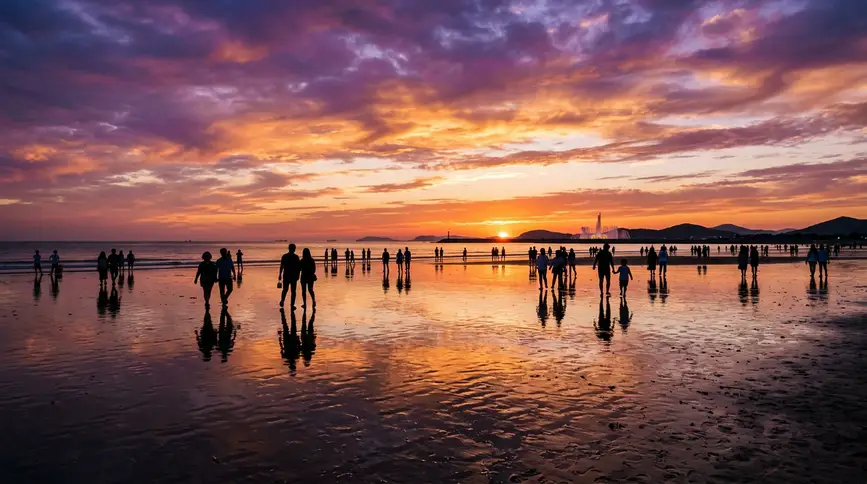
On the western edge of the city lies Dadaepo Beach, a place of ethereal beauty. Known for having the most spectacular sunsets in the region, Dadaepo features vast, fine-sand flats and a coastal wetland trail. The sand here is so fine it feels like silk under your feet. It is also home to the ‘Sunset Fountain of Dreams,’ one of the world’s largest choreographed water fountains. Watching the water dance to music as the sky turns deep shades of violet and gold is an experience that stays with you long after your vacation ends.
Expert Advice for Your First Busan Beach Adventure
Navigating Busan’s beaches like a pro requires a bit of local “know-how.” First, let’s talk about footwear. If you are heading to Dadaepo, be wary of the fine sand. It is so powdery that it can get trapped in the mesh of expensive sneakers or certain types of water shoes. Many locals prefer to go barefoot in the shallow tide pools, but keep a keen eye out for small shells.
At Songdo, safety for your gadgets is paramount. The Cloud Trails have sections with open gratings so you can see the waves crashing below. It’s a thrilling view, but every year, many smartphones meet a watery grave here. I highly recommend using a phone strap or a sturdy grip-tok before you lean over the edge for that perfect selfie.
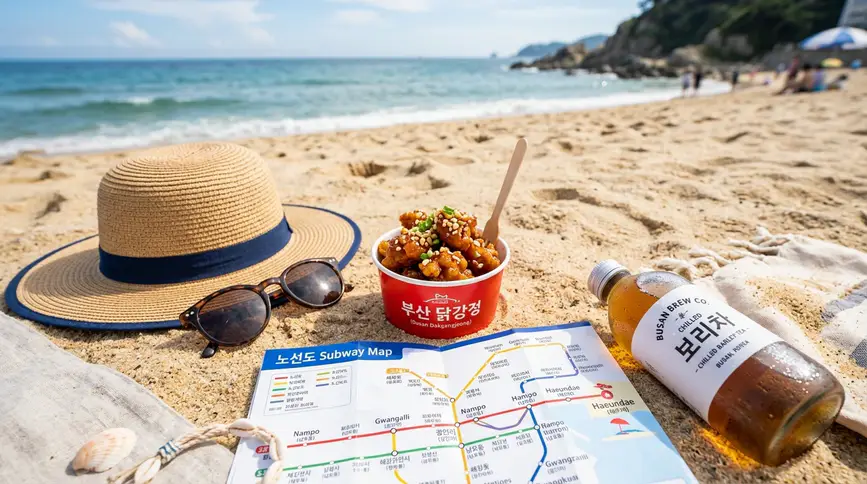
When it comes to logistics, the “Busan beach hop” is the best way to see the city. Start your day with the morning surf at Songjeong, move to Haeundae for a luxurious lunch and a bit of sunbathing, and finish your evening at Gwangalli for the drone show and a craft beer. The city’s public transit is excellent, but during the peak of the summer beach season, the coastal roads can get congested. Utilizing the clean and efficient subway system is often the fastest way to travel between these coastal hotspots. Lastly, look for the 119 Summer Rescue Teams and jellyfish nets—the city goes to great lengths to ensure a safe environment, making Busan one of the most tourist-friendly beach destinations in the world.
FAQ
Q: When is the best time to visit Busan beaches if I want to avoid the biggest crowds?
A: If you want to enjoy the water without the peak-season rush, aim for the weekdays in late June or the final week of August. The weather is still warm, but the heavy influx of domestic vacationers usually peaks from late July to mid-August.
Q: Are there entrance fees for Busan’s public beaches?
A: No, all of Busan’s major public beaches are free to enter. You only pay for amenities such as parasol rentals, tube rentals, or the use of shower facilities.
Q: Can I rent swimming gear at the beach, or should I bring my own?
A: You can easily rent almost everything you need. Most beaches have official rental stalls for parasols, mats, and inner tubes. Prices are regulated by the city to prevent overcharging, often allowing for easy payment via credit card or local transit cards.
Q: Is it safe to swim at night in Busan?
A: Swimming is generally prohibited after sunset for safety reasons, with the notable exception of Haeundae Beach during its designated “Night Opening” period in the peak of summer. Always follow the instructions of the lifeguards on duty.
Q: What should I wear when visiting the beaches?
A: While swimwear is standard in the water, Korean beach culture tends to be a bit more modest than in some Western countries. You’ll see many people wearing “rash guards” (long-sleeved swim shirts) to protect against the sun. Bringing a light cover-up or a change of clothes for when you visit nearby cafes is recommended.
Q: Which beach is best for a family with small children?
A: Songjeong Beach and Songdo Beach are excellent choices. Songjeong has very shallow water and gentle waves, while Songdo offers a variety of attractions like the cable car and skywalk that keep children entertained beyond just swimming.
Q: How do I get to Gwangalli Beach from Busan Station?
A: The easiest way is to take Subway Line 1 and transfer to Line 2 at Seomyeon Station, then get off at Gwangan Station. It’s a short, pleasant walk from the station to the shore.
Q: Is there English signage available for foreign tourists?
A: Yes, Busan is very tourist-friendly. Signs in the subway, at major beach entrances, and in most restaurants near the shore are provided in English, making navigation quite simple.
Q: What is the “Drone Show” in Gwangalli, and when does it happen?
A: The Gwangalli M Drone Light Show is a spectacular aerial performance. It typically takes place every Saturday night, usually with two shows (e.g., 8:00 PM and 10:00 PM), though times can shift slightly depending on the season.
Q: Are there locker facilities at the beaches?
A: Yes, most major beaches like Haeundae and Gwangalli provide coin-operated lockers near the public shower and changing areas, allowing you to secure your valuables while you enjoy the ocean.