
When the humid summer air settles over the southern coast of the Korean Peninsula, there is no city that wears the season quite as vibrantly as Busan. This port city is a masterpiece of coastal beauty, rugged mountains, and, most importantly, a culinary scene that pulsates through its narrow alleys and sprawling plazas. To truly understand the soul of Busan, one must step away from the polished department stores and venture into the labyrinthine world of its traditional markets. These are not merely places of commerce; they are living museums where the scent of the sea meets the sizzle of street food, and where the “Busan Ajumma” (middle-aged women) command the stalls with a fierce yet welcoming energy.
In the heat of summer, these markets transform into sanctuaries of flavor. From the ice-cold tang of raw fish soup to the spicy, stamina-boosting heat of grilled eel, Busan traditional markets offer a sensory overload that defines the local lifestyle. Whether you are a seasoned traveler who has navigated the night markets of Southeast Asia or a curious foodie looking for the authentic heart of Korea, the triad of Jagalchi, Bupyeong Kkangtong, and Gukje Market provides an unforgettable journey.
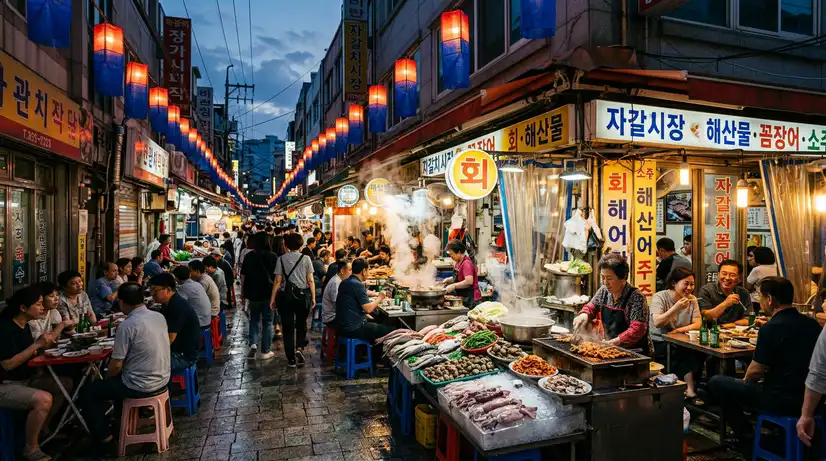
Jagalchi Market: The Heartbeat of Busan’s Coastal Soul
Jagalchi Market is more than just Korea’s largest seafood market; it is a legendary landmark that embodies the resilience and grit of Busan’s history. Located right along the waterfront, the market greets you with the sharp, salty tang of the East Sea and the rhythmic calls of vendors showcasing the day’s freshest catch. In the summer, Jagalchi becomes a destination for those seeking “stamina food” to combat the exhausting humidity.
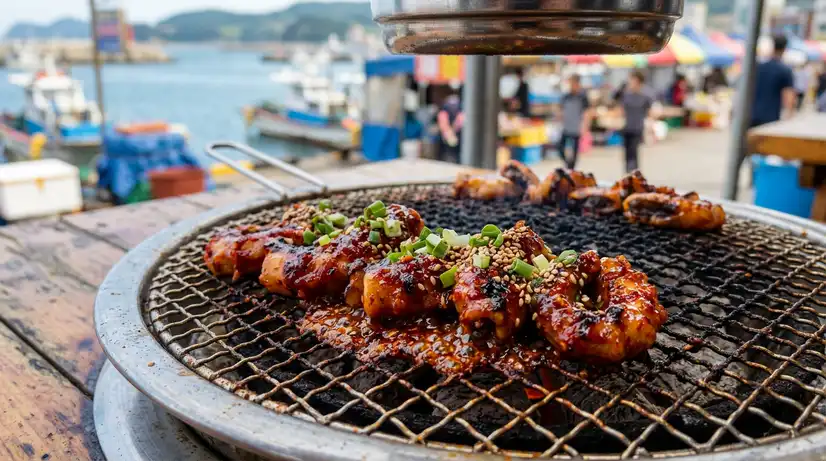
The star of the show here is undoubtedly the grilled hagfish, or Gomjangeo. Often prepared over charcoal or briquettes, these eels are tossed in a spicy, gochujang-based sauce that caramelizes to a smoky perfection. The texture is uniquely chewy and snappy, a sensation that locals swear provides an immediate boost of energy. Sitting at a plastic table on the docks, watching the fishing boats bob in the harbor while the smoke from the grill drifts by, is a quintessentially Busan experience that no luxury restaurant can replicate.
For those looking to cool down, the market offers incredible Mulhoe (spicy cold raw fish soup). Imagine thin strips of firm, white-fleshed fish submerged in a slushy, tangy broth of red pepper paste, vinegar, and sugar, topped with crunchy cucumbers and pear. It is a dish designed for the heat—a refreshing shock to the system that leaves you revitalized. The beauty of Jagalchi is its transparency; you can pick your fish on the first floor and have it prepared immediately in the dining areas upstairs, ensuring a level of freshness that is unparalleled.
The “Jagalchi Ajumma”—the strong-willed women who have run these stalls for decades—are the backbone of this market. Their dialect is thick, their hands are quick, and their hospitality is often shown through a generous “service” (complimentary side dish). Engaging with them, even with a few broken words of Korean or a simple smile, reveals the deep Jeong (affection) that characterizes Korean market culture.
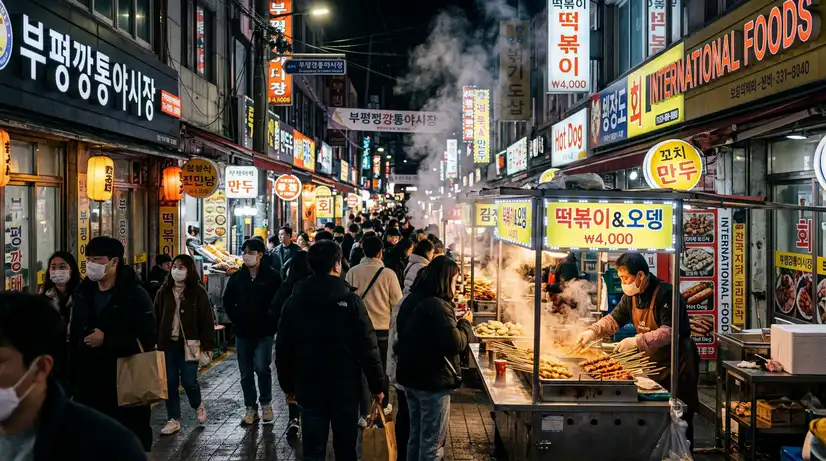
Bupyeong Kkangtong Market: A Tapestry of Flavors from Dawn till Dusk
Just a short walk from the docks of Jagalchi lies Bupyeong Kkangtong Market, often simply called the “Tin Can Market.” This name dates back to the era when the market specialized in imported canned goods, but today, it is arguably the street food capital of Busan. While it thrives during the day, the market takes on a second life as the sun sets, transforming into the Bupyeong Kkangtong Night Market—the first of its kind in Korea.
Walking through Kkangtong is a masterclass in culinary diversity. You cannot visit without trying Bibim Dangmyeon. This humble dish of glass noodles tossed in a spicy sauce with pickled radish, spinach, and fish cakes is a nostalgic soul food for Busanites. It’s light yet flavorful, making it a perfect snack between larger meals. Another must-try is the Mul-tteok—long, cylindrical rice cakes simmered in a savory fish cake broth. Unlike the spicy tteokbokki found elsewhere, Mul-tteok is soft, chewy, and deeply comforting, absorbing the umami-rich soup.
However, the modern fame of Kkangtong is largely attributed to “Lee Ga-ne Tteokbokki,” a stall that gained national fame for its unique cooking method. Instead of using water, the chef uses the natural juices extracted from piles of shredded radish to create a thick, intensely flavorful sauce. The result is a tteokbokki that is sweet, spicy, and incredibly deep in flavor, often paired with crispy fried vegetables.
As night falls, the market’s central aisle fills with carts offering a global fusion of flavors. You might find Scotch eggs wrapped in bacon, Vietnamese pho, or Japanese-style grilled scallops. This international flair reflects Busan’s identity as a global port city, welcoming influences from across the seas and blending them with local traditions. The humid summer night air, the glowing neon signs, and the communal joy of sharing small plates in the middle of the street create an electric atmosphere that is infectious.
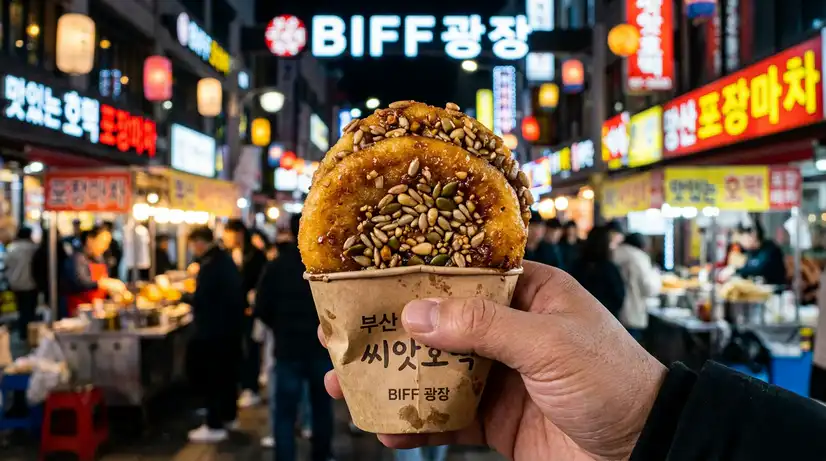
Gukje Market and BIFF Square: Where History and Sweet Treats Collide
Gukje Market, or the “International Market,” is a sprawling expanse of history and commerce. Born from the chaos of the mid-20th century, it became a place where refugees traded whatever goods they could find. Today, it is a maze where you can find anything from vintage clothing and kitchenware to artisanal crafts. For the food lover, Gukje is the gateway to the famous BIFF (Busan International Film Festival) Square, an area that blends cinematic history with legendary street snacks.
The crown jewel of BIFF Square is the Ssiat Hotteok (Seed Stuffed Pancake). While hotteok is found all over Korea, Busan’s version is distinctive. The pancake is deep-fried until golden and crispy, then sliced open and stuffed with a generous mixture of sunflower seeds, pumpkin seeds, and nuts blended with cinnamon and brown sugar. The contrast between the salty, crispy dough and the sweet, crunchy interior is addictive. Even in the heat of summer, locals and tourists alike will wait in long lines for a paper cup filled with this hot, nutty delight.
Venturing deeper into the alleys of Gukje Market, you will find the “Meokja Golmok” (Let’s Eat Alley). Here, you can sit on low stools in the middle of the path and enjoy Chungmu Kimbap—small, plain rice rolls served with spicy radish kimchi and seasoned squid. It’s a simple, rustic meal that reflects the lean times of the past, yet remains a favorite for its bold, clean flavors.
The charm of Gukje lies in its “organized chaos.” One moment you are browsing through a high-end boutique, and the next you are tucked into a hidden corner eating spicy tteokbokki next to a grandmother who has been selling the same recipe for forty years. It is a place that demands you slow down, get lost, and follow your nose to the next discovery.
Master the Market: Essential Tips for the Ultimate Summer Food Tour
Navigating Busan’s traditional markets in the summer requires a bit of strategy to maximize your enjoyment while minimizing the stress of the heat and crowds. These markets are deeply rooted in local customs, and understanding a few unwritten rules will enhance your experience.
First, timing is everything. While Jagalchi starts at the crack of dawn, it can be overwhelmingly hot during the mid-afternoon. Aim to visit the seafood markets early in the morning for the most action, or late in the evening when the sea breeze provides some relief. For Bupyeong Kkangtong, the magic happens after 7:30 PM when the night market carts roll out.
Second, come prepared for a cash-heavy environment. While most established stalls in the permanent buildings of Jagalchi or Gukje accept credit cards, many of the smaller street carts and “hole-in-the-wall” spots prefer cash or bank transfers. Having a pocketful of small bills makes the transaction smoother and is often appreciated by the vendors.
Third, embrace the communal nature of the dining experience. In many market alleys, seating is limited to shared benches or stools. Don’t be afraid to sit shoulder-to-shoulder with a stranger. It is in these shared spaces that you truly feel the pulse of the city. If a stall is crowded, it’s usually a sign of quality—the locals know where the best broth and the freshest fish are found.
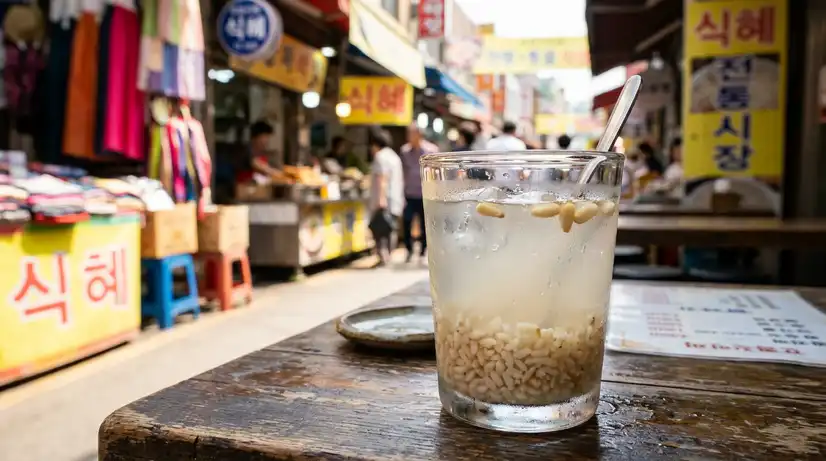
Finally, stay hydrated. The combination of spicy food and summer humidity can be taxing. Look for vendors selling Sikhye (a traditional sweet rice drink) or freshly squeezed fruit juices to keep your energy up as you trek through the miles of market aisles. Busan traditional markets are a marathon, not a sprint; take your time to savor each bite and each story.
FAQ
Q: What are the must-eat foods at Jagalchi Market?
A: You should definitely try grilled hagfish (Gomjangeo), spicy cold raw fish soup (Mulhoe), and a fresh sashimi platter. If you want something hearty, the grilled fish set menus are also excellent.
Q: Is the Bupyeong Kkangtong Night Market open every day?
A: Yes, the night market typically operates every evening from around 7:30 PM to 11:30 PM, though specific stall hours may vary slightly depending on the weather.
Q: Can I walk between Jagalchi, Gukje, and Bupyeong Kkangtong markets?
A: Absolutely! All three markets are located in the Nampo-dong/Jung-gu area and are within easy walking distance of each other. It is one of the most pedestrian-friendly food tours in Busan.
Q: What makes Busan’s Ssiat Hotteok different from regular Hotteok?
A: Unlike standard hotteok which is filled with melted sugar and cinnamon, Busan’s Ssiat Hotteok is stuffed with a variety of crunchy seeds and nuts after being fried, giving it a savory-sweet flavor and a unique texture.
Q: Are the markets safe for solo travelers?
A: Busan is exceptionally safe for solo travelers. The market vendors are generally friendly, and the high foot traffic makes the areas very secure even late at night.
Q: How should I pay at the small street stalls?
A: It is best to use cash (Korean Won) for small street food purchases. Many vendors also display their bank account numbers for mobile transfers, which is very common in Korea.
Q: Is there a place to sit and eat at Gukje Market?
A: Yes, look for the “Meokja Golmok” (Let’s Eat Alley) where you can find benches and stools set up in front of the food stalls for a quick and authentic meal.
Q: What should I wear when visiting the markets in summer?
A: Wear light, breathable clothing and comfortable walking shoes. The markets involve a lot of walking, and the seafood market floors can sometimes be wet or slippery.
Q: Are there vegetarian options in Busan traditional markets?
A: While seafood is dominant, you can find vegetarian options like Ssiat Hotteok, Pajeon (scallion pancakes), various vegetable tempuras, and the radish-based Tteokbokki (though check if the sauce uses fish stock).
Q: What is the best way to get to these markets?
A: The most convenient way is by subway. Take Busan Metro Line 1 to Jagalchi Station or Nampo Station. Most market entrances are just a few minutes’ walk from the exits.